✓ Basic CDW/LDW is often included but has a high excess.
✓ Third-party excess insurance can save you hundreds.
✓ Credit card coverage often has exclusions for Spain.
✓ Always inspect the vehicle thoroughly before driving away.
How It Works
1
Understand Basic Coverage
Most car rentals in Spain include basic Collision Damage Waiver (CDW) and Theft Protection (TP) with a significant excess. This means you're liable for the first portion of damage or theft.
2
Evaluate Excess Insurance Needs
Decide if you want to cover this excess (deductible). You can purchase excess insurance from the rental company, a third-party provider, or sometimes through your credit card.
3
Compare Options & Purchase
Research different providers, comparing coverage limits, exclusions, and price. Purchase your chosen policy before or at the rental counter, depending on the provider.
4
Document Vehicle Condition
Upon pick-up and return, meticulously inspect the vehicle for any pre-existing damage. Take photos or videos as proof to avoid unwarranted charges.
Navigating the Labyrinth of Car Rental Insurance in Spain
Photo: Philip Ackermann / Pexels
Renting a car in Spain offers unparalleled freedom to explore its diverse landscapes, from the sun-drenched Costa del Sol to the historic streets of Seville and the rugged Picos de Europa. However, the excitement of planning your Spanish road trip can quickly turn into confusion when confronted with the myriad of car rental insurance options. The terminology alone – CDW, LDW, excess, super CDW, third-party liability – can be daunting, leading many travelers to either overspend on unnecessary coverage or, worse, underinsure themselves and face hefty unexpected costs. This comprehensive guide aims to demystify car rental insurance Spain explained, providing you with the knowledge and confidence to make informed decisions and ensure a worry-free journey. We'll delve into the types of coverage typically offered, explain the crucial concept of 'excess' (deductible), and compare the various avenues for securing your insurance – directly from the rental company, through independent providers, or via your credit card. Understanding these nuances is not just about saving money; it's about protecting yourself from potential financial pitfalls that could otherwise sour your Spanish adventure. For many, a rental car is essential for exploring off-the-beaten-path destinations not easily accessible by public transport, making robust and appropriate insurance coverage a critical component of trip planning. Don't let insurance jargon deter you; with the right information, you can secure the perfect policy and focus on enjoying the beauty and culture of Spain. It’s important to remember that while European driving laws are generally consistent, specific insurance products and practices can vary significantly between countries, making a Spain-specific understanding vital. We'll also address common misconceptions and highlight key considerations unique to renting a car in Spain, such as navigating tolls and understanding local traffic regulations, ensuring a truly seamless experience. By the end of this guide, you’ll be an expert in car rental insurance for Spain, ready to hit the road with complete peace of mind. Explore our car rental tips for Spain to further enhance your travel planning.
Understanding Core Coverage: CDW, TP, and the Dreaded Excess
Photo: Vladyslav Huivyk / Pexels
When you book a rental car in Spain, you'll typically find that a basic level of insurance is included in the headline price. This usually comprises Collision Damage Waiver (CDW) and Theft Protection (TP), sometimes referred to as Loss Damage Waiver (LDW). CDW limits your financial liability for damage to the rental vehicle itself in the event of an accident, while TP covers you if the vehicle is stolen. It sounds comprehensive, right? Not quite. The critical element to understand here is the 'excess' or 'deductible'. This is the amount you are still liable to pay out of pocket before the insurance kicks in, even with CDW and TP. In Spain, this excess can be surprisingly high, often ranging from €600 to €3,000, depending on the car type and rental company. This means that if you scratch the bumper, crack a windshield, or the car is stolen, you could be on the hook for a significant sum, up to the excess amount. Rental companies often push their own 'Super CDW' or 'Excess Waiver' products at the counter. These are designed to reduce or eliminate this excess, offering you complete peace of mind. While convenient, these policies are usually the most expensive option, sometimes doubling the daily rental cost. It's essential to scrutinize what these policies cover; some might exclude specific parts like tires, windows, mirrors, or the undercarriage, which are common areas for damage. Furthermore, misfuelling or damage caused by negligence (e.g., leaving windows open) is almost universally excluded, regardless of the insurance type. Understanding the scope of your included CDW/TP and the associated excess is the first, most critical step in evaluating your overall insurance needs. Without addressing the excess, your 'included' insurance might offer less protection than you assume. Many travelers mistakenly believe that CDW means they are fully covered, only to be hit with a large bill for minor damage. Take the time to read the fine print, ask questions, and clarify the exact excess amount and what it covers before you even pick up the keys. This proactive approach will save you stress and potential financial headaches down the line. Remember, the goal is to drive worry-free, and knowing your basic coverage limitations is key to achieving that.
Exploring Your Options: Rental Company, Third-Party, or Credit Card?
Photo: DΛVΞ GΛRCIΛ / Pexels
Once you grasp the concept of excess, the next step is to explore how to cover it. You essentially have three main avenues, each with its own advantages and disadvantages. The first option is purchasing excess waiver insurance directly from the rental car company. This is typically offered at the counter when you pick up the vehicle. While it provides immediate peace of mind and simplifies the claims process (as you're dealing with a single entity), it's almost always the most expensive choice. Rental companies often charge a premium for this convenience, and their policies might still have exclusions for specific parts or situations. Always ask for a clear breakdown of what their 'full coverage' truly entails. The second, and often most cost-effective, option is to buy a standalone or 'third-party' excess insurance policy. Companies specializing in travel insurance or car hire excess insurance offer these policies, often for a fraction of the price charged by rental companies. You can purchase these policies annually if you rent cars frequently, or as a single-trip policy. The key difference here is that in the event of damage, you would pay the excess to the rental company first, and then claim that amount back from your third-party insurer. This 'pay and claim' model can mean a short-term outlay of funds, but the long-term savings are significant. These policies often provide broader coverage, including tires, windows, roof, and undercarriage, which are frequently excluded by rental company policies. Research reputable third-party providers well in advance of your trip. Finally, many credit cards, particularly premium travel cards, offer car rental insurance as a benefit. This can be an excellent, often free, option, but it comes with significant caveats. Credit card coverage is almost always secondary, meaning it kicks in after any other insurance you might have, and it often functions as excess reimbursement. Crucially, many credit card policies have exclusions for certain vehicle types (luxury cars, vans, SUVs), rental durations, and, most importantly, specific countries. Spain is sometimes on the exclusion list, or the policy might only cover damage if you decline all coverage offered by the rental company (which isn't always possible or advisable in Spain due to local laws). You must contact your credit card provider directly and get written confirmation of their coverage in Spain, including any exclusions and requirements, before relying on it. Don't assume; verify. Choosing the right option depends on your budget, risk tolerance, and how often you rent cars. For many, a third-party excess insurance policy strikes the best balance between cost and comprehensive coverage. For more detailed insights into navigating local driving rules, check out our guide on driving in Spain essentials.
Avoiding Common Pitfalls and Ensuring a Smooth Rental Experience
Photo: Gustavo Fring / Pexels
Beyond understanding the insurance products, several practical steps can help you avoid common pitfalls and ensure a smooth car rental experience in Spain.
**1. Thorough Vehicle Inspection:** This is paramount. Before driving off, meticulously inspect the car for any existing damage – scratches, dents, cracks in the windshield, scuffed wheels, interior damage. Take timestamped photos or videos from all angles, including the roof and undercarriage if possible. Point out any findings to the rental agent and ensure they are clearly noted on your rental agreement. Do the same upon return. This visual evidence is your best defense against unwarranted charges.
**2. Understand Fuel Policies:** Clarify the fuel policy at pick-up. The most common is 'full-to-full,' meaning you pick it up full and return it full. Others include 'full-to-empty' (pay for a full tank upfront, return empty – often more expensive) or 'pre-purchase with refund' (pay for fuel, get a refund for unused fuel, minus service fee). Stick to 'full-to-full' if possible to avoid inflated fuel charges.
**3. Check for Hidden Fees:** Be vigilant about additional charges. These can include out-of-hours pick-up/drop-off fees, one-way rental fees, young driver surcharges, additional driver fees, and charges for GPS or child seats. Factor these into your budget.
**4. Roadside Assistance:** Confirm what roadside assistance is included with your rental and insurance. While basic breakdown cover is usually standard, comprehensive cover for flat tires, lost keys, or misfuelling might be an add-on.
**5. Documentation:** Always carry your valid driving license (and an International Driving Permit if required, though for most non-EU licenses, it's highly recommended), passport, and rental agreement with insurance details. Keep digital copies too.
**6. Accidents and Breakdowns:** In the unfortunate event of an accident or breakdown, immediately contact the rental company and follow their instructions. Obtain a police report for accidents involving other vehicles, regardless of how minor, and document everything with photos. This ensures your insurance claim is valid.
**7. Review Your Bill:** Upon returning the car, ask for a final invoice. Review it carefully for any unexpected charges. If you find discrepancies, address them immediately with the rental company before leaving the counter. If you notice charges later, contact them in writing. These proactive measures can save you considerable stress and money, turning a potentially confusing situation into a seamless part of your Spanish adventure.
Comparison
Feature
Third-Party Excess Insurance
Rental Company Excess Waiver
Credit Card Coverage
Cost
Low (Daily/Annual)
High (Daily)
Often Free (Card Benefit)
Coverage Scope
Often comprehensive (tires, windows, roof, undercarriage)
Varies, often excludes specific parts
Varies, common exclusions (country, vehicle type)
Claim Process
Pay rental company, claim from insurer (reimbursement)
No payment to rental company (direct waiver)
Pay rental company, claim from credit card (reimbursement)
Convenience
Requires pre-purchase & claim filing
Easy at counter, no claim filing
Requires pre-verification & claim filing
Peace of Mind
✓
✓
May require careful verification for Spain
What Readers Say
★★★★★
"This guide on car rental insurance in Spain explained everything so clearly. I chose a third-party policy and saved over 150 euros compared to the rental company's offer. Essential reading for anyone renting a car here."
Maria G. · Madrid, Spain
★★★★★
"Finally understood the 'excess' concept for car rental insurance Spain explained! The advice on photographing the car before and after was a lifesaver when they tried to charge me for a pre-existing scratch."
Tom H. · London, UK
★★★★★
"Thanks to this article, I confidently navigated my car rental insurance in Spain. I opted for a separate excess policy and had zero issues, enjoying my trip without worrying about hidden costs."
Sophia L. · Berlin, Germany
★★★★★
"Very informative, though I wish there was a bit more on specific credit card exclusions for Spain. Still, it helped me ask the right questions and avoid buying expensive coverage at the counter."
David K. · New York, USA
★★★★★
"As a frequent traveler to Spain for work, understanding car rental insurance Spain explained is crucial. This guide is spot-on and has saved me both money and headaches over multiple trips."
Elena P. · Barcelona, Spain
Frequently Asked Questions
Is car rental insurance mandatory in Spain?
Yes, basic Third-Party Liability (TPL) insurance is legally mandatory in Spain and is always included in your rental price. This covers damage to other vehicles or property, and injuries to other people. However, it does not cover damage to your rental car or theft of your rental car, nor does it cover the 'excess' on CDW/TP.
What is 'excess' in car rental insurance and why is it important in Spain?
The 'excess' (or deductible) is the maximum amount you are liable to pay for damage or theft of the rental car, even if you have CDW/TP. In Spain, this amount can be very high (€600-€3000+). It's crucial because if the car gets a minor scratch, you'll pay up to this amount before the rental company's included insurance covers the rest.
How do I avoid paying the high excess fee at the rental counter in Spain?
To avoid paying the high excess fee at the rental counter, you can purchase a third-party excess reimbursement insurance policy before your trip. This covers the excess that the rental company would charge you. Alternatively, some premium credit cards offer similar coverage, but you must verify its validity for Spain and understand its terms.
Is my personal car insurance or travel insurance valid for car rental in Spain?
Generally, your personal car insurance from your home country does not extend to rental cars abroad, especially for liability or collision coverage. Some travel insurance policies may offer car rental excess coverage, but this varies widely. Always check your specific policy details or contact your provider to confirm what is covered in Spain.
Should I choose full coverage from the rental company or a third-party insurer?
While full coverage from the rental company offers immediate simplicity, it's often significantly more expensive. Third-party excess insurance usually provides more comprehensive coverage (including tires, windows, undercarriage) for a lower price. The trade-off is that you typically pay the rental company first and then claim reimbursement from your third-party insurer.
Who should consider additional car rental insurance for Spain?
Anyone renting a car in Spain should consider additional insurance to cover the excess, especially if they are uncomfortable with a high financial liability. This includes first-time renters, those driving in unfamiliar areas, or individuals who want complete peace of mind against unexpected damage or theft costs.
What if I damage the tires or windshield in Spain? Is that covered?
Tires, wheels, windows, mirrors, roof, and undercarriage are common exclusions in basic CDW policies and even some rental company's 'full coverage' options. Third-party excess insurance policies often specifically include these vulnerable parts. Always check the fine print of any policy to ensure these are covered if you wish to be protected.
Are there any new trends in car rental insurance for Spain?
The trend is moving towards greater transparency and more digital options for purchasing excess insurance. More travelers are opting for independent third-party policies due to cost-effectiveness and broader coverage. Additionally, the rise of car-sharing platforms might introduce new insurance models in the future, though traditional rental still dominates.
Don't let uncertainty about car rental insurance in Spain overshadow your trip. By understanding your options and taking proactive steps, you can secure the right coverage, drive confidently, and fully immerse yourself in the beauty of Spain. Start planning your insured adventure today.

 Photo: Philip Ackermann / Pexels
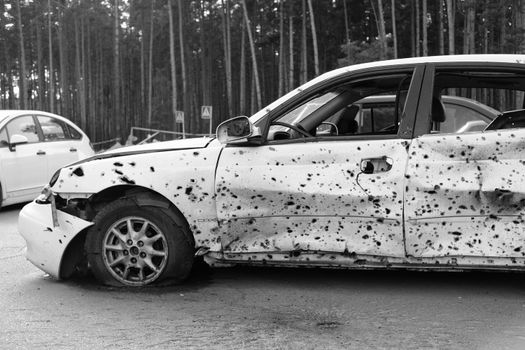 Photo: Vladyslav Huivyk / Pexels
 Photo: DΛVΞ GΛRCIΛ / Pexels
 Photo: Gustavo Fring / Pexels