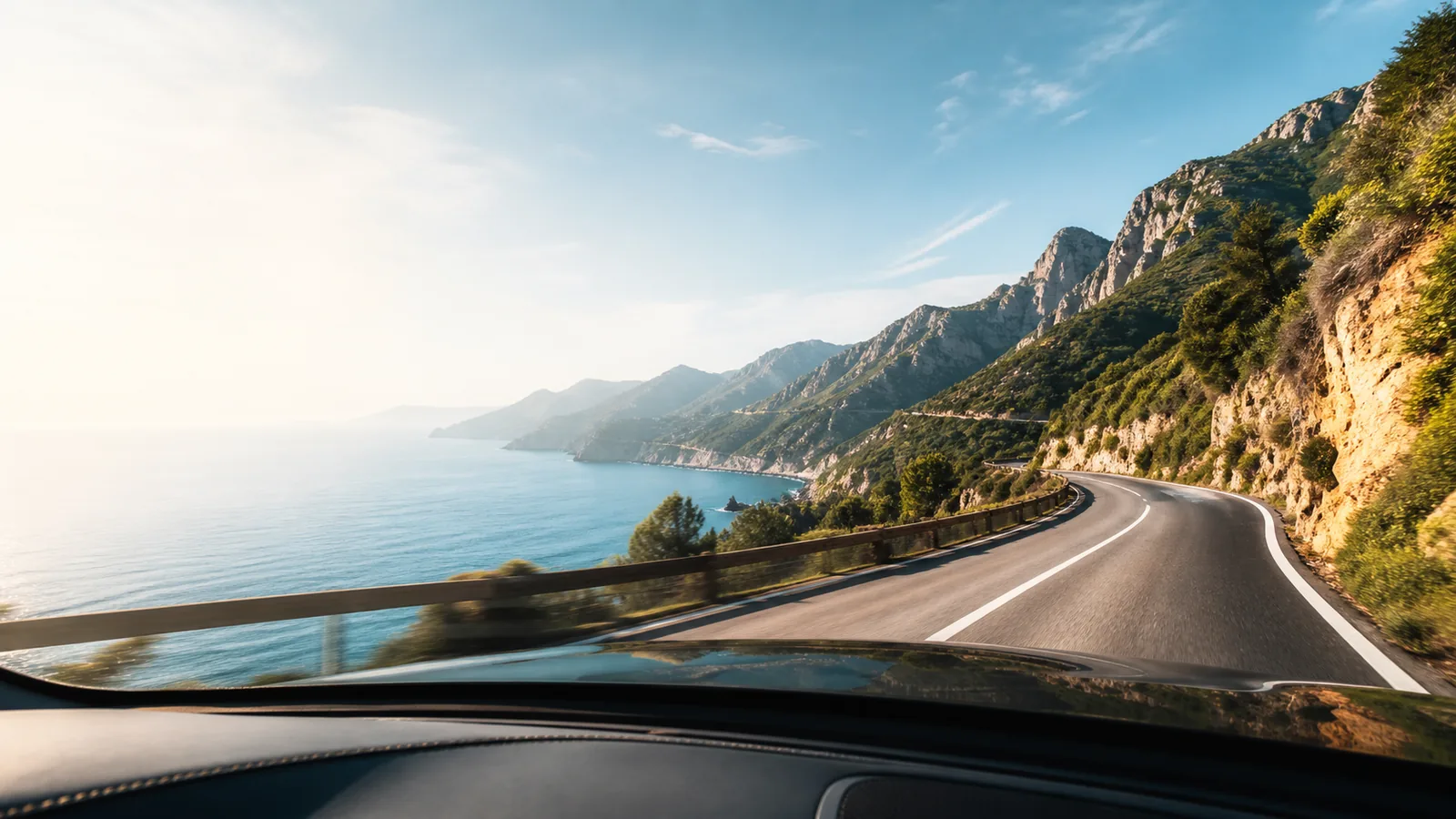
✓ Full insurance typically covers damage, theft, and third-party liability with zero excess.
✓ Understanding policy exclusions (e.g., lost keys, interior damage) is crucial.
✓ Booking full insurance in advance often offers better rates than at the counter.
✓ Always inspect the vehicle thoroughly before and after rental, documenting any pre-existing damage.
How It Works
1
Choose Your Vehicle & Provider
Select the car type that suits your Spanish adventure and compare reputable rental companies offering full insurance packages. Consider your travel needs and luggage space.
2
Understand Full Insurance Options
Familiarize yourself with what 'full insurance' entails, checking for zero excess policies and comprehensive coverage. Clarify any specific exclusions or limitations before booking.
3
Book & Confirm Details
Secure your booking online, ensuring all insurance details are clearly stated on your confirmation. Keep a digital and physical copy of your rental agreement and insurance policy readily accessible.
4
Collect Car & Inspect
Upon arrival, meticulously inspect the vehicle for any existing damage, no matter how minor, and document it with photos or videos. Ensure the rental agent acknowledges these findings before driving off.
Why Opt for Full Insurance When Renting a Car in Spain?
Exploring the diverse landscapes of Spain, from the sun-drenched Costa del Sol to the historic streets of Seville and the rugged Picos de Europa, is an unparalleled experience. A rental car provides the freedom to discover hidden gems and travel at your own pace. However, navigating unfamiliar roads, parking in tight spaces, and dealing with potential incidents can add an element of stress to your trip. This is precisely where the value of opting for car rental Spain with full insurance becomes indispensable. Full insurance, often referred to as 'zero excess' or 'no deductible' insurance, is designed to eliminate your financial liability in the event of damage, theft, or other covered incidents. Without it, even minor scratches or dents could result in significant out-of-pocket expenses, as your security deposit might be withheld or you could be charged for repairs. Spain's roads, while generally well-maintained, can present unique challenges, including narrow village streets, busy city centers, and occasional unpaved country lanes. Furthermore, the driving styles can differ from what you're accustomed to, and parking can sometimes be a contact sport in popular tourist areas. An unexpected stone chip on a winding mountain road or a minor fender bender in a bustling city can quickly turn a dream vacation into a financial headache. Full insurance offers a blanket of protection that covers most eventualities, giving you the peace of mind to focus on enjoying Spain's vibrant culture, breathtaking scenery, and delicious cuisine. It means that if something goes wrong, you won't be left to haggle over repair costs or worry about the impact on your travel budget. This comprehensive coverage typically includes Collision Damage Waiver (CDW) with zero excess, Theft Protection (TP) with zero excess, and Third-Party Liability (TPL). Some premium packages even extend to cover often-excluded items like tires, windows, mirrors, undercarriage, and lost keys. The slight additional cost for full insurance is a small price to pay for the significant reduction in stress and potential financial burden. It transforms your car rental experience from a potential liability into a truly carefree adventure. When planning your Spanish itinerary, prioritize securing this level of protection to ensure your journey is as smooth and enjoyable as possible, allowing you to fully immerse yourself in everything this incredible country has to offer.
Decoding 'Full Insurance': What Does it Really Cover?
The term 'full insurance' can sometimes be a source of confusion, as its exact inclusions can vary between rental companies and policies. However, when you opt for car rental Spain with full insurance, you are generally seeking the highest level of protection available, aiming for a 'zero excess' or 'zero deductible' policy. This means that, in the event of an incident covered by the insurance, you will not be required to pay an initial amount (the excess or deductible) towards the repair or replacement cost. A standard comprehensive full insurance package in Spain typically includes several key components. Firstly, it almost always incorporates a Collision Damage Waiver (CDW) with zero excess. This covers damage to the rental vehicle itself, whether from an accident with another vehicle, hitting an object, or even a scratch while parked. Without zero excess, you would be liable for the first few hundred or even thousand euros of damage. Secondly, Theft Protection (TP) with zero excess is crucial. This protects you financially if the rental car is stolen. While theft rates in Spain are not exceptionally high, it's always a possibility, particularly in urban areas or if the car is left unattended for extended periods. Having zero excess here means you won't pay anything if the car is taken. Thirdly, Third-Party Liability (TPL) is a legal requirement in Spain and is included in all rental agreements. However, full insurance ensures that your liability for damage or injury caused to other people or their property is covered up to a very high limit, far beyond the basic legal minimum, providing robust protection in case of a serious accident. Beyond these core elements, many premium 'full insurance' packages extend their coverage to parts often excluded from basic CDW policies. This can include damage to tires, wheels, windows, mirrors, the roof, and the undercarriage – areas that are surprisingly susceptible to damage on Spanish roads. Lost or damaged keys, personal belongings stolen from the car, and even breakdown assistance might also be covered. It's vital to read the specific terms and conditions of your chosen full insurance policy carefully. While the goal is 'zero excess' for most incidents, some policies might still have minor exclusions or specific conditions (e.g., damage due to reckless driving, driving under the influence, or using the wrong fuel). Always clarify these points with your rental provider or insurance broker to ensure there are no surprises. Understanding exactly what your 'full insurance' package covers allows you to drive with genuine peace of mind, confident that you are adequately protected against the vast majority of potential risks on your Spanish journey.
Choosing the Right Full Insurance Provider: Rental Company vs. Third-Party
When securing car rental Spain with full insurance, you generally have two primary avenues for purchasing coverage: directly from the rental car company or through a third-party insurance provider. Each option has its own set of advantages and disadvantages, and understanding these can help you make the most informed decision for your trip. Opting for full insurance directly from the rental car company is often the most straightforward and hassle-free approach. When you arrive at the counter, they will typically offer their premium insurance package, which usually includes CDW and TP with zero excess, and often covers tires, windows, and undercarriage. The main benefit here is simplicity: if an incident occurs, you deal directly with the rental company, and they handle everything without you having to pay anything upfront (assuming it's a zero-excess policy). There's no need to file a separate claim with an external insurer, making the process seamless and reducing potential stress during your vacation. However, this convenience often comes at a higher price. Rental company insurance can be significantly more expensive than third-party alternatives, sometimes doubling the overall cost of your rental. On the other hand, third-party car rental insurance providers specialize in offering standalone policies that cover your excess and often provide broader coverage for a lower premium. Companies like RentalCover.com, Worldwide Insure, or your credit card's travel insurance (if applicable) can offer policies that cover the deductible you would otherwise be responsible for with the rental company's basic CDW. The primary advantage of third-party insurance is cost savings. You can often get comprehensive coverage, including excess reimbursement, for a fraction of the price charged by the rental desk. Many third-party policies also cover items often excluded by standard rental company CDW, such as tires, windows, and lost keys. The trade-off for this saving is that the claims process is different. If damage occurs, you will typically pay the rental company the excess amount first, and then claim that amount back from your third-party insurer. This means you need to have sufficient funds available on your credit card to cover the potential excess, which can be substantial. You'll also need to gather all necessary documentation (police reports, damage assessments from the rental company, photos) to support your claim. Before making a decision, compare prices, read reviews, and scrutinize the policy wording for both options. Consider your budget, your comfort level with potential upfront payments, and how much administrative hassle you're willing to undertake if an incident occurs. For many, the peace of mind and direct resolution offered by rental company full insurance outweighs the higher cost, especially when traveling in a foreign country. For others, the significant savings offered by third-party options are well worth the slightly more involved claims process. Remember to check if your existing travel insurance or credit card already provides some level of car rental coverage, as this could influence your decision to purchase additional insurance. Understanding your options is key to a truly worry-free car rental experience in Spain.
Essential Tips for a Smooth Full-Insured Car Rental Experience in Spain
Ensuring a seamless car rental experience with full insurance in Spain goes beyond just booking the right policy. A few proactive steps can save you time, stress, and potential headaches, allowing you to fully enjoy your Spanish adventure. Here are some essential tips:
* **Book in Advance:** Especially during peak season, booking your car and full insurance well ahead of time can secure better rates and ensure availability. Last-minute bookings, particularly for comprehensive policies, tend to be more expensive.
* **Understand Your Policy's Exclusions:** Even 'full insurance' isn't universally all-encompassing. Policies often exclude damage caused by negligence (e.g., driving off-road, using the wrong fuel, damage to the interior, lost keys). Read the fine print to know exactly what is and isn't covered.
* **Thoroughly Inspect the Vehicle:** Before driving away, take detailed photos and videos of the car's exterior and interior from all angles. Document any existing scratches, dents, or damage, no matter how minor. Point these out to the rental agent and ensure they are noted on your rental agreement. This prevents you from being charged for pre-existing damage upon return.
* **Check Fuel Policy:** Clarify the fuel policy (e.g., full-to-full, full-to-empty). Full-to-full is generally the most economical option. Avoid pre-paying for fuel unless you are certain you'll return the tank completely empty.
* **Familiarize Yourself with Spanish Road Rules:** Understand speed limits, roundabouts, parking regulations, and toll roads (Autopistas) in Spain. Researching local driving laws can prevent fines and accidents. Be aware of ZBE (Zona de Bajas Emisiones) Low Emission Zones in major cities like Madrid and Barcelona, which may require specific vehicle stickers.
* **Keep Emergency Numbers Handy:** Store the rental company's roadside assistance number and the local emergency number (112) in your phone. In case of an accident, secure the scene, call emergency services if necessary, and then contact the rental company immediately.
* **Return Inspection:** When returning the car, try to do so during opening hours with a rental agent present. Conduct another thorough inspection together, ensuring they sign off that the vehicle is returned in satisfactory condition. If an agent isn't available, take more photos and videos of the car at the drop-off location and time-stamp them.
* **Credit Card Requirements:** Ensure your credit card has sufficient funds for the security deposit, even with full insurance. While full insurance covers damage, a deposit is still often held for fuel, tolls, or minor policy breaches. Some premium credit cards also offer rental car insurance benefits, which could influence your decision on external policies.
By following these tips, your car rental Spain with full insurance experience will be truly stress-free, allowing you to fully immerse yourself in the beauty and culture of this captivating country.
Comparison
Feature
Rental Company Full Insurance
Third-Party Full Insurance
Basic CDW (No Excess)
Cost
Higher
Lower
Included in base rate
Claim Process
Direct & Simple
Reimbursement (pay first)
Direct, but pay excess
Coverage Scope
Often comprehensive (incl. tires/windows)
Very comprehensive (often incl. keys, personal items)
Limited (often excludes tires/windows)
Upfront Payment for Damage
✗ (Zero Excess)
✓ (Reimbursed later)
✓ (Pay Excess)
Peace of Mind
High
High (but requires upfront payment)
Moderate (worry about excess)
Ease of Purchase
At counter/online
Online in advance
Automatically included
What Readers Say
★★★★★
"Renting a car in Spain with full insurance made our road trip along the coast absolutely worry-free. We had a minor scrape in a tight parking spot, and because of the full coverage, there was no stress or extra charges. Highly recommend it for peace of mind."
Maria G. · Barcelona, Spain
★★★★★
"We booked a car rental Spain with full insurance for our family vacation. It was slightly more expensive upfront, but knowing we wouldn't face any surprises if something happened was worth every penny. The car was perfect and the service smooth."
Tom H. · London, UK
★★★★★
"After a previous bad experience with rental car excess, I made sure to get car rental Spain with full insurance this time. Unfortunately, a stone cracked the windshield, but thanks to the zero-excess policy, I paid absolutely nothing. Such a relief!"
Sofia R. · Madrid, Spain
★★★★★
"The full insurance option was great for our trip through Andalusia. The only minor downside was the initial hold on my credit card, but it was released promptly after returning the car. Still, the peace of mind was invaluable."
David M. · New York, USA
★★★★★
"As a frequent traveler, I always opt for full insurance, especially in a new country. Our car rental Spain with full insurance allowed us to explore off-the-beaten-path villages without a second thought about road conditions. Fantastic service and coverage."
Elena P. · Rome, Italy
Frequently Asked Questions
What is the primary benefit of car rental Spain with full insurance?
The primary benefit is complete peace of mind and financial protection. Full insurance, especially zero-excess policies, ensures you won't pay out-of-pocket for damages, theft, or third-party liability beyond the initial rental cost, eliminating unexpected expenses and stress during your trip.
Is full insurance mandatory for car rental in Spain?
While basic third-party liability insurance is legally mandatory and included in all rentals, 'full insurance' (covering damage to the rental car itself with zero excess) is not. However, it's highly recommended to avoid significant financial liability for potential damages.
How do I ensure I'm getting 'zero excess' full insurance?
Always explicitly look for terms like 'zero excess', 'no deductible', or 'super CDW' when booking. Confirm these details in your rental agreement and ask the rental agent directly upon collection to ensure your policy covers all damages with no out-of-pocket costs.
Is it cheaper to buy full insurance from the rental company or a third-party?
Generally, third-party full insurance providers (like independent insurers) offer more comprehensive coverage at a lower price than policies purchased directly from the rental counter. However, third-party policies often require you to pay for damages first and then claim reimbursement.
How does full insurance compare to credit card rental car coverage?
Credit card coverage often acts as secondary insurance, meaning it kicks in after your primary insurance (or rental company's basic CDW) has paid. It might cover your excess, but it's crucial to check your specific card's terms for limitations, exclusions (e.g., certain car types), and whether it's primary or secondary coverage.
Who should consider car rental Spain with full insurance?
Anyone looking for a completely stress-free experience should consider it. It's especially beneficial for first-time renters in Spain, those unfamiliar with driving abroad, or travelers who simply want to avoid any financial surprises from potential damage or theft.
What happens if I have an accident with full insurance?
With full insurance, you should immediately contact the rental company and local authorities (if required). Document the scene with photos. The rental company will guide you through the process, and with zero-excess coverage, you generally won't pay for repairs, provided the incident falls within policy terms.
Are there any hidden fees with full insurance in Spain?
Reputable full insurance policies should be transparent. However, be aware of potential administrative fees from the rental company (even with full insurance) for processing claims, or charges for non-covered items like lost keys due to negligence. Always read the full terms and conditions carefully.
Don't let worries about unexpected costs overshadow your Spanish adventure. Secure your car rental Spain with full insurance today and drive confidently, knowing you're fully protected. Start planning your worry-free journey now!