Car Rental Spain Insurance Explained: Your Ultimate Guide
car rental Spain insurance explained

Car Rental Spain Insurance Explained: Your Ultimate Guide

Navigate the complexities of car rental insurance in Spain with confidence, ensuring a worry-free journey.

Understand Your Coverage Now

Key Takeaways

  • ✓ Basic insurance (CDW/TP) is often included but comes with a high excess.
  • ✓ Excess waiver policies are crucial for comprehensive protection.
  • ✓ Credit card insurance might offer some coverage, but verify limits for Spain.
  • ✓ Third-party providers often offer better value than rental company direct options.

How It Works

1
Book Your Rental Car

Select your desired vehicle and rental company. Be aware that the initial price typically only includes basic, mandatory insurance.

2
Understand Included Insurance

Familiarize yourself with the Collision Damage Waiver (CDW) and Theft Protection (TP) included, noting the often substantial 'excess' (deductible) you'd pay in an accident.

3
Evaluate Excess Waiver Options

Decide whether to purchase an excess waiver from the rental company at the desk, or opt for a more affordable, comprehensive third-party annual policy before your trip.

4
Collect and Inspect Vehicle

Upon pickup, thoroughly inspect the car for existing damage, take photos, and ensure all insurance details are clearly understood before driving off.

Understanding Basic Car Rental Insurance in Spain
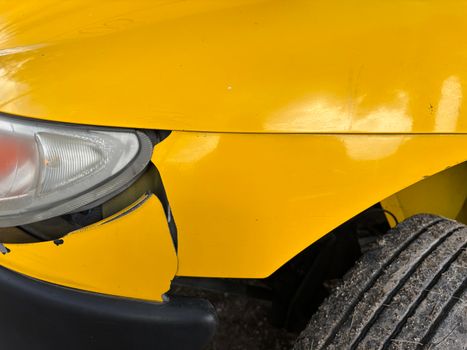
Close-up image of a yellow car's damaged front bumper and headlight for insurance or accident concept. Photo: Jorge Romero / Pexels
When you book a rental car in Spain, the price you see almost always includes some form of basic insurance. This isn't an optional extra; it's a legal requirement and standard practice across the European Union. The two primary components of this basic coverage are the Collision Damage Waiver (CDW) and Theft Protection (TP). It's crucial to understand that while these sound comprehensive, they come with significant limitations, most notably the 'excess' or 'deductible'. Collision Damage Waiver (CDW) limits your financial liability for damage to the rental car itself. Without CDW, you would be responsible for the full cost of repairs if the car is damaged, even in a minor incident. With CDW, your liability is reduced to a set amount, which is the excess. This excess can range from a few hundred euros to well over a thousand, depending on the car type and rental company. For example, if your excess is €900 and you cause €2,000 worth of damage, you will still pay €900 out of pocket. It's not full coverage, but rather a cap on your liability. It's also important to note that CDW typically excludes damage to specific parts like tires, windows, mirrors, the undercarriage, and the roof. These exclusions are a common source of unexpected charges for renters. Always read the fine print of your rental agreement to understand what CDW actually covers. Theft Protection (TP) works similarly to CDW, limiting your financial responsibility if the rental car is stolen. Like CDW, TP usually comes with an excess, meaning you're still liable for a portion of the car's value if it's stolen. There are also often conditions attached to TP – for instance, you might be required to have reported the theft to the police and be able to provide the car keys. If you cannot produce the keys, some policies may consider it negligence and void the theft protection, leaving you responsible for the full cost of the vehicle. Both CDW and TP are usually mandatory and included in the base rental price, but their limitations make additional coverage a wise consideration for many travelers. Understanding these basics is the first step in navigating car rental Spain insurance explained, especially when you consider the sometimes challenging Spanish roads and parking situations. Always clarify the exact excess amount and what is excluded from the basic CDW and TP policies before you sign any agreement. Learn more about general car rental tips.

Navigating Optional Insurance Policies and Excess Waivers

Hands holding pens filling out a home insurance policy document for coverage details. Photo: Mikhail Nilov / Pexels
Beyond the basic CDW and TP, rental companies in Spain will almost certainly offer you additional insurance products at the counter. These are designed to reduce or eliminate the excess and provide more comprehensive protection. The most common of these is the Super Collision Damage Waiver (SCDW) or Full Protection. This policy typically reduces your excess to zero, meaning you wouldn't pay anything if the car is damaged or stolen. While this offers significant peace of mind, it comes at a premium, often significantly increasing the total cost of your rental. Rental companies' direct excess waiver products can be expensive, sometimes adding as much as €20-€30 per day to your rental, which can quickly add up over a week or two. Another optional extra you might encounter is Personal Accident Insurance (PAI). This covers medical expenses and accidental death for the driver and passengers in the event of an accident. While this sounds beneficial, many travelers may already have personal travel insurance or health insurance that covers these eventualities, making PAI redundant. It's essential to check your existing policies before accepting PAI. Similarly, Super Theft Protection (STP) might be offered to reduce the theft excess to zero. However, a much more cost-effective and often more comprehensive alternative to the rental company's direct offerings comes from third-party insurance providers. These companies specialize in rental car excess insurance and can offer policies that cover your excess for CDW and TP, often including those parts excluded by standard CDW (tires, windows, undercarriage, roof). These policies can be purchased as a single-trip policy or, for frequent travelers, an annual policy, which can be incredibly cost-effective. An annual policy might cost less than a few days of a rental company's excess waiver. When considering a third-party policy, remember that you will still need to pay the rental company the excess in the event of damage, and then claim that amount back from your third-party insurer. This 'pay and claim' model is the main difference, but the savings can be substantial. Always ensure your third-party policy specifically covers car rental in Spain and its associated exclusions. This is a critical aspect of understanding car rental Spain insurance explained, as it can save you a significant amount of money while providing superior coverage.

Credit Card Coverage and Existing Travel Insurance: Do They Work in Spain?

Macro shot of credit cards showing Visa and Mastercard logos next to a wallet, ideal for finance themes. Photo: Pixabay / Pexels
Many travelers mistakenly believe their credit card or existing travel insurance automatically covers them for car rental in Spain. While some credit cards do offer rental car insurance benefits, and some travel insurance policies include elements of it, relying solely on these without thorough verification can lead to costly surprises. It's paramount to understand the specifics of your existing coverage before you travel. Regarding credit card coverage, premium credit cards, particularly those with travel benefits, often include some form of rental car insurance. This usually acts as secondary coverage, meaning it kicks in after your primary insurance (which in the case of a rental car, is the CDW/TP included by the rental company) has been exhausted. Crucially, many credit card policies only cover the excess amount, not the primary damage itself. Some credit cards might offer primary coverage, which means they would cover the full cost of damage up to a certain limit without requiring you to use other insurance first. However, there are significant caveats. Many credit card policies exclude specific countries (often including Italy, Ireland, and Israel, but sometimes others), certain types of vehicles (luxury cars, vans, SUVs), and damage to specific parts (tires, windows, undercarriage). They also typically require you to decline the rental company's CDW/LDW (Loss Damage Waiver) in its entirety for their coverage to be valid, which can be problematic in Spain where basic CDW is often mandatory and non-declinable. Always call your credit card provider directly and ask very specific questions about their rental car insurance policy for Spain, including coverage limits, exclusions, and the process for making a claim. Get their response in writing if possible. Similarly, your personal travel insurance policy might offer some form of rental car excess coverage. However, like credit card policies, these often have limits, exclusions, and specific claim procedures. Some travel insurance policies might only cover the excess up to a certain amount, or they might exclude certain types of damage. It's rare for a standard travel insurance policy to provide comprehensive primary rental car insurance. They are typically designed to cover your personal liability or the excess. Again, a detailed review of your policy document or a direct call to your insurer is essential. Do not assume your existing insurance will cover you adequately for a rental car in Spain. Understanding the nuances of these existing coverages is a key component of comprehending car rental Spain insurance explained and can prevent you from doubling up on unnecessary coverage or, worse, being underinsured. Check out our guide to avoiding common car rental pitfalls.

Tips for Securing the Best Car Rental Insurance in Spain and Avoiding Pitfalls

Professional mechanic in blue coveralls inspecting car brakes in a well-lit garage. Photo: Gustavo Fring / Pexels
Navigating car rental insurance in Spain can feel like a minefield, but with a few strategic tips, you can secure adequate coverage without overpaying. Here’s how to ensure a smooth, worry-free experience: * **Book Your Insurance in Advance:** The absolute best way to save money and ensure comprehensive coverage is to purchase a standalone excess insurance policy from a third-party provider *before* you arrive at the rental desk. Companies like Worldwide Insure, Insurance4carhire, or RentalCover.com specialize in these policies, often covering damages to tires, windows, undercarriage, and roof – items frequently excluded by basic CDW and even rental company's 'full protection' plans. An annual policy can be incredibly cost-effective if you rent cars more than once a year. * **Understand the 'Excess' (Deductible):** Always know the exact excess amount for your rental. This is the maximum you'll pay out of pocket if the car is damaged or stolen with basic CDW/TP. If you have third-party excess insurance, you'll pay this to the rental company first and then claim it back from your insurer. * **Inspect the Car Thoroughly:** Before driving off, walk around the car with a rental agent and meticulously note *every single scratch, dent, or imperfection*, no matter how small, on the rental agreement. Take time-stamped photos and even a video of the car's exterior and interior. Pay special attention to wheels, tires, mirrors, and the roof. This documentation is your strongest defense against unwarranted damage claims upon return. * **Decline Unnecessary Extras:** At the rental desk, you'll likely be offered various upsells: GPS, fuel policies, extra drivers, and additional insurance. If you've already secured a third-party excess policy, politely but firmly decline the rental company's expensive excess waiver products. Don't let them pressure you into buying coverage you don't need. * **Check Your Credit Card and Travel Insurance:** As discussed, verify if your existing credit card or travel insurance provides any rental car coverage. Understand its limitations (e.g., secondary coverage, exclusions for certain vehicles or countries) and decide if it's sufficient or if you need supplemental third-party insurance. Do not assume; always confirm. * **Be Aware of Fuel Policies:** While not insurance, fuel policies often lead to unexpected costs. The 'full-to-empty' policy, where you pay for a full tank upfront and return it empty, often includes a service charge and can be more expensive than refilling it yourself. Opt for 'full-to-full' whenever possible. * **Read the Rental Agreement Carefully:** It's tempting to rush through the paperwork, but the rental agreement contains crucial details about your insurance, excess, fuel policy, and any additional charges. Take a few minutes to read it thoroughly before signing. * **Return the Car on Time and Document:** Returning the car late can incur significant fees. Upon return, if possible, have an agent inspect the car with you and sign off that there is no new damage. If an agent isn't available, take another set of time-stamped photos and videos of the car's condition. Keep all documentation for at least a few months after your trip. By following these steps, you can confidently navigate car rental Spain insurance explained and enjoy your Spanish adventure without financial worries.

Comparison

FeatureThird-Party Excess WaiverRental Company Excess WaiverCredit Card/Travel Insurance
Cost-EffectivenessExcellent (especially annual)Poor (very expensive daily)Variable (often 'free', but with limits)
Coverage ScopeComprehensive (often includes tires, windows, undercarriage)Good (often zero excess, but may have exclusions)Limited (often secondary, many exclusions)
Claim ProcessPay rental company, claim from insurer (reimbursement)No payment if zero excess; direct with rental companyComplex (often secondary, specific requirements)
Peace of MindHighHigh (if zero excess)Moderate (requires careful verification)
Exclusions (Common)Few (check policy)Tires, windows, undercarriage, roof (check policy)Many (countries, vehicle types, specific parts)
Ease of PurchaseOnline, pre-tripAt rental desk (pressure sales)Existing policy, may need activation
Mandatory CDW/TPComplements itReduces/eliminates excess on itOften requires declining it (problematic in Spain)

What Readers Say

"Understanding car rental Spain insurance explained saved me so much hassle. I bought a third-party excess policy beforehand, and when I scratched the bumper in Seville, I paid the rental company the excess, filed a claim, and got reimbursed within two weeks. Totally worth it!"

Maria P. · London, UK

"I used to just take whatever the rental desk offered. After reading up on car rental Spain insurance explained, I realized I was overpaying. This time, I had an annual policy, and it covered a small chip on the windshield that the basic CDW wouldn't have."

David R. · Dublin, Ireland

"My credit card 'insurance' had so many exclusions for Spain. This guide on car rental Spain insurance explained helped me choose a proper third-party waiver, giving me peace of mind driving through the mountains of Andalucía. No surprises at drop-off!"

Sophie L. · New York, USA

"As a local, I thought I knew it all. But the detailed breakdown of excess waivers in car rental Spain insurance explained was very insightful. Even I learned new ways to check my existing cover and save money for future rentals, though the rental company pressure is always a challenge."

Carlos G. · Barcelona, ES

"Traveling frequently across Europe, the car rental Spain insurance explained article made me realize the consistency in pitfalls. The comparison table was particularly useful for quickly deciding on the best insurance option for my trip to Valencia."

Elena V. · Rome, IT

Frequently Asked Questions

Is car rental insurance mandatory in Spain?

Yes, basic third-party liability insurance is legally mandatory in Spain, as in all EU countries. This is usually included in your rental price. Additionally, Collision Damage Waiver (CDW) and Theft Protection (TP) are almost always included, though they come with an 'excess' (deductible) that you are liable for.

What is 'excess' in car rental insurance and how does it work in Spain?

The 'excess' (also known as a deductible) is the amount you are responsible for paying in the event of damage or theft, even if you have CDW or TP. For example, if your excess is €1000 and the damage costs €1500, you pay €1000. You can reduce or eliminate this excess by purchasing an excess waiver from the rental company or a third-party insurer.

Should I buy the rental company's full insurance or a third-party policy?

For most travelers, a third-party excess waiver policy purchased in advance is significantly more cost-effective and often provides broader coverage (e.g., tires, windows) than the rental company's direct 'full protection' at the counter. The main difference is that with a third-party policy, you typically pay the rental company the excess first, then claim it back.

Will my credit card cover rental car insurance in Spain?

Some premium credit cards offer rental car insurance benefits, but coverage varies widely. Many are secondary, meaning they only cover the excess after your primary insurance (like CDW) is exhausted. Crucially, many exclude certain countries (sometimes Spain), vehicle types, or specific damages. Always contact your credit card provider directly for specific details before relying on it.

What parts of the car are often excluded from basic CDW in Spain?

Basic Collision Damage Waiver (CDW) policies often exclude damage to tires, wheels, windows, mirrors, the undercarriage, and the roof. These are common areas where renters incur unexpected charges. A comprehensive third-party excess waiver often covers these frequently excluded parts, offering more complete protection.

Who should consider buying extra car rental insurance for Spain?

Anyone who wants to avoid paying a potentially high 'excess' (deductible) in case of damage or theft should consider extra insurance. This is especially true for those who are uncomfortable driving in unfamiliar territories, parking in tight spaces, or simply want complete peace of mind. It's a small upfront cost for significant financial protection.

Are there any common scams or pitfalls to watch out for with car rental insurance in Spain?

Be wary of high-pressure sales tactics at the rental counter trying to sell you expensive, redundant insurance if you already have a third-party policy. Always thoroughly inspect the car for existing damage and document it with photos/videos before driving off, to avoid being charged for pre-existing damage upon return. Understand fuel policies to avoid inflated charges.

How has the digital age impacted car rental insurance in Spain?

The digital age has made it much easier to compare and purchase third-party excess insurance policies online before your trip, offering more transparency and competitive pricing than ever before. It also allows for easier documentation of vehicle condition with smartphone cameras, providing renters with stronger evidence in case of disputes.

Don't let confusing insurance terms overshadow your Spanish adventure. By understanding the nuances of car rental Spain insurance explained, you can make informed decisions, secure comprehensive coverage, and enjoy your journey with complete peace of mind. Plan smart, drive safe, and explore Spain confidently.

Topics: car rental Spain insurance explainedSpain car hire insuranceCDW Spain rentalexcess car rental Spainrental car insurance Europe
Leo List

DK Escorts LU Escorts AT Escorts SE Escorts FI Escorts CH Escorts DE Escorts HR Escorts IE Escorts GR Escorts CZ Escorts NO Escorts BE Escorts FR Escorts SI Escorts IL Escorts NL Escorts PL Escorts HU Escorts ES Escorts IT Escorts PT Escorts SK Escorts RO Escorts ZA Escorts UY Escorts US Escorts UK Escorts NZ Escorts AU Escorts
Brampton weed
Adultwork EstrelaBet Vai de Bet R7 Bet Betão Galera Bet Rainbet Bet9ja Shop SportyBet BetKing Sisal Loto Foot Hollywoodbets YesPlay Odibets RushBet Jugabet BetWarrior BetCity MSport betPawa Fortebet