✓ Always book your car rental in Spain well in advance, especially during peak season.
✓ Understand the different insurance options thoroughly before signing any agreement.
✓ An International Driving Permit (IDP) is highly recommended, if not legally required, for non-EU drivers.
✓ Familiarize yourself with Spanish road rules, speed limits, and parking regulations to avoid fines.
How It Works
1
Research & Compare
Start by comparing prices and vehicle types from various reputable rental companies. Consider your travel needs, group size, and luggage space.
2
Understand Insurance
Decipher the different insurance coverages offered and decide what level of protection you need. Be wary of aggressive upsells at the counter.
3
Pre-Book & Prepare
Book your chosen vehicle online, ensuring you have all necessary documents ready, including your driver's license, IDP, and credit card.
4
Inspect & Drive
Upon pick-up, thoroughly inspect the car for existing damage and document it. Familiarize yourself with the vehicle before hitting Spain's roads.
Navigating the Booking Process: Securing Your Ideal Car Hire in Spain
Photo: Joaquin Carfagna / Pexels
Renting a car in Spain opens up a world of possibilities, allowing you to explore hidden coves, charming villages, and stunning national parks that are often inaccessible by public transport. However, the booking process itself can be a minefield of options, hidden fees, and varying terms. To truly get the best deal and avoid unnecessary stress, it's crucial to approach this stage with a strategic mindset. First and foremost, always book in advance. This cannot be stressed enough, especially if you're traveling during the high season (summer months, Easter, Christmas) or to popular destinations like Andalusia, the Costa del Sol, or the Balearic Islands. Booking several weeks, or even months, ahead can significantly reduce prices and ensure vehicle availability. Last-minute bookings often mean limited choices and inflated rates.
When comparing rental companies, don't just look at the headline price. Dive deeper into what's included. Some budget providers might seem cheaper upfront but then add substantial costs for insurance, additional drivers, or fuel policies. Reputable international companies like Hertz, Avis, Europcar, and Enterprise are widely available and generally offer clear terms, but local Spanish companies can sometimes provide more competitive rates, particularly for longer rentals. Always read reviews specific to the branch you're considering, as service quality can vary. Look for companies with transparent fuel policies – full-to-full is almost always the most economical and fair option. Avoid 'full-to-empty' policies, where you pay for a full tank upfront and are expected to return it empty, as you rarely use all the fuel and often pay inflated prices per liter.
Consider the type of vehicle you need. A small, economical car is perfect for navigating narrow city streets and parking in historic centers. If you're planning extensive highway driving or have more luggage, a larger sedan or SUV might be more comfortable. For mountainous regions, a car with decent engine power is advisable. Manual transmission is standard in Spain, so if you require an automatic, be sure to filter for it specifically and book early, as they are less common and often pricier. Don't forget about essential add-ons like GPS (though smartphone apps are often sufficient), child seats, or roof racks – specify these during booking to ensure availability. Finally, ensure your credit card has sufficient limit for the security deposit, which can often be several hundred euros. For more general advice on navigating rental car options, check out our comprehensive car rental guide.
Understanding Insurance and Documentation: Protecting Your Trip
Photo: Vlad Deep / Pexels
Insurance is perhaps the most confusing and contentious aspect of car rental, and Spain is no exception. It's an area where many travelers feel pressured or end up paying more than necessary. The basic rental price typically includes Third-Party Liability (TPL) insurance, which covers damage to other vehicles or property, and often a Collision Damage Waiver (CDW) or Loss Damage Waiver (LDW) with a significant excess (deductible). This excess can range from €500 to €2000, meaning you are responsible for the first portion of any damage. Rental companies will almost always try to sell you additional insurance at the counter, often referred to as Super CDW, Full Protection, or Zero Excess insurance. This reduces or eliminates your liability for the excess.
Before you even get to the rental counter, investigate your existing insurance coverage. Many premium credit cards offer rental car insurance as a benefit, covering CDW/LDW. Check with your credit card provider about their specific terms, coverage limits, and any exclusions (e.g., certain vehicle types, duration limits, or countries). If your credit card provides adequate coverage, you might be able to decline the rental company's expensive add-ons, but be prepared for them to try and persuade you otherwise, often by highlighting potential administrative fees or the inconvenience of claiming through a third party. Alternatively, consider purchasing third-party excess insurance from an independent provider before your trip. These policies are usually much cheaper than the rental company's options and can provide comprehensive coverage for your excess, giving you peace of mind.
Beyond insurance, ensure you have all the necessary documentation. For EU citizens, a valid national driving license is sufficient. However, for non-EU citizens, an International Driving Permit (IDP) is strongly recommended, and in some cases, legally required. While some rental agencies might not ask for it, if you are stopped by the police, not having an IDP (alongside your national license) can result in a hefty fine. The IDP is essentially a translation of your driver's license and must be obtained in your home country before you travel. You'll also need your passport or national ID card and the credit card used for the booking and security deposit. Make sure the name on the credit card matches the primary driver's name exactly. Take photos of all documents and the rental agreement on your phone as a backup. Being prepared with your documents will streamline the pick-up process and prevent any last-minute hitches.
Driving in Spain: Road Rules, Tolls, and Parking Essentials
Photo: Philip Ackermann / Pexels
Driving in Spain can be a delightful experience, with well-maintained roads and stunning scenery, but it's essential to be aware of local rules and customs. The most important rule to remember is that traffic drives on the right-hand side of the road. Speed limits are strictly enforced, often with radar cameras: typically 120 km/h (75 mph) on motorways (autopistas), 90 km/h (56 mph) on national roads (carreteras nacionales), and 50 km/h (31 mph) in urban areas. Pay close attention to signage, as limits can change frequently, especially around towns or construction zones. Fines for speeding can be substantial and are often processed quickly, sometimes even charged directly to your rental car company and then to your credit card.
Roundabouts are ubiquitous in Spain and can be confusing for first-time visitors. The general rule is to give way to traffic already in the roundabout, and you should signal your exit appropriately. Pay particular attention to priority rules at intersections, as they can sometimes differ from what you're used to. Always carry your driver's license, IDP (if applicable), passport, and rental agreement in the car. It's also a legal requirement to carry a reflective vest and two warning triangles in your vehicle. Your rental car should already have these, but it's wise to check. In the event of a breakdown or accident, you must wear the reflective vest if you leave the vehicle on the roadside.
Tolls (peajes) are common on many Spanish motorways. These are typically paid manually with cash or credit card, or electronically via a 'Via-T' transponder. If you plan to use toll roads extensively, inquire with your rental company about a Via-T device, though often it's cheaper to pay cash or card. Navigation apps like Google Maps or Waze can be invaluable for finding routes, avoiding tolls, and identifying speed cameras. Parking in Spanish cities can be challenging. 'Blue zones' (zona azul) require payment at a meter, while 'green zones' (zona verde) are often reserved for residents, though visitors might be allowed for a limited time with payment. Always check parking signs carefully to avoid fines or towing. Parking garages (parking subterráneo) are a safer, albeit more expensive, option in urban centers. For more specific driving regulations, consult a detailed driving in Spain guide.
Avoiding Common Pitfalls and Maximizing Your Spanish Car Rental Experience
Photo: Tim Samuel / Pexels
While car rental in Spain is generally straightforward, being aware of common pitfalls can save you significant time, money, and hassle. One of the biggest mistakes is not thoroughly inspecting the vehicle at pick-up. Before you leave the rental lot, walk around the car with a rental agent and meticulously document any existing scratches, dents, or damage, no matter how small. Take photos or even a video with your smartphone, ensuring timestamps are visible. Make sure every piece of damage is noted on the rental agreement before you sign. This crucial step protects you from being charged for pre-existing damage upon return.
Another common issue arises with fuel policies. As mentioned, 'full-to-full' is the most transparent. Avoid 'full-to-empty' or 'pre-purchased fuel' options, as they rarely offer good value. Always return the car with a full tank of the correct fuel type (petrol/gasolina or diesel/gasóleo), unless your agreement explicitly states otherwise, and keep the final fuel receipt. Failure to do so will result in exorbitant refueling charges from the rental company. Be mindful of one-way rental fees if you plan to pick up in one city and drop off in another; these can sometimes be substantial, especially for international drops.
When returning the car, try to do so during opening hours and, if possible, with an agent present to inspect the vehicle. Again, take photos or a video of the car's condition upon return. This provides evidence that you returned the car undamaged. If you have to drop off after hours, be extra diligent with your photo documentation. Be wary of hidden charges, such as cleaning fees for minor dirt – only excessive mess should incur such a charge. If you have any disputes, having clear photographic evidence is your strongest defense. Finally, resist the urge to drive into restricted traffic zones (Zonas de Bajas Emisiones or ZBEs) in major cities like Madrid or Barcelona without proper authorization, as these areas are monitored by cameras, and fines are automatically issued to the rental company, then passed on to you. Always check for ZBEs if driving into city centers. Embrace the freedom a rental car offers, but do so with informed caution to ensure a truly enjoyable Spanish adventure.
Comparison
Feature
Best Option
Alternative 1
Alternative 2
Booking Method
Online in advance
Walk-in last minute
Aggregator sites
Insurance Coverage
Third-party excess policy
Credit card benefit
Rental company full cover
Fuel Policy
Full-to-full
Pre-purchased (full-to-empty)
Partial-to-partial
Transmission
Manual (standard)
Automatic (less common)
Specific model request
IDP (Non-EU)
✓ (essential)
✗ (risky)
✓ (recommended)
What Readers Say
★★★★★
"Following these car rental Spain tips and tricks saved us a fortune on our trip to Andalusia. The advice on checking insurance beforehand was priceless; we avoided the expensive upsell at the counter. Truly a game-changer for budgeting."
Maria G. · Madrid, Spain
★★★★★
"The detailed guide to Spanish road rules was incredibly helpful. We felt much more confident navigating the roundabouts and knowing the speed limits, which prevented any fines. Highly recommend reading this before your trip!"
David L. · London, UK
★★★★★
"The tip about documenting pre-existing damage with photos was a lifesaver. We found a small scratch not noted, photographed it, and had no issues on return. This article made our car rental experience in Spain smooth and stress-free."
Sophie P. · Perth, Australia
★★★★★
"While most tips were excellent, I found the advice on local rental companies to be a bit optimistic for peak season – international brands sometimes offer better availability then. Still, the insurance section alone justifies reading this guide."
Carlos M. · Barcelona, Spain
★★★★★
"As someone unfamiliar with driving in Europe, these car rental Spain tips and tricks were invaluable. The guidance on IDP requirements and fuel policies ensured we were fully prepared and avoided any nasty surprises. Our road trip through Catalonia was fantastic!"
Jessica R. · New York, USA
Frequently Asked Questions
Is an International Driving Permit (IDP) really necessary for car rental in Spain?
Yes, for non-EU citizens, an IDP is strongly recommended and, in many cases, legally required alongside your national driver's license. While some rental agencies might not ask for it at pick-up, Spanish traffic police can fine you if you don't possess one during a stop. Obtain it in your home country before traveling.
How can I avoid hidden fees when renting a car in Spain?
To avoid hidden fees, always read the rental agreement carefully. Pay close attention to fuel policies (opt for full-to-full), understand insurance deductibles, inquire about additional driver fees, and be aware of one-way rental charges. Thoroughly inspect the car for existing damage and document it before leaving the lot.
What's the best way to handle insurance for my Spanish car rental?
The best approach is to research your options before arriving. Check if your credit card provides rental car insurance. Alternatively, purchase a third-party excess insurance policy online from an independent provider. This is often more cost-effective than buying the rental company's full coverage at the counter.
Are toll roads common in Spain, and how do I pay for them?
Yes, many motorways in Spain are toll roads (peajes). You can typically pay with cash or credit card at the toll booths. Some frequent travelers or long-term renters might opt for a 'Via-T' electronic transponder, which can be acquired or rented, but for tourists, manual payment is usually sufficient.
Should I choose a larger or smaller car for driving in Spain?
For city driving and navigating narrow historic streets, a smaller, compact car is highly recommended. If you plan extensive highway travel, have a lot of luggage, or are traveling with a larger group, a larger sedan or SUV might offer more comfort and space. Consider your specific itinerary when choosing.
Who benefits most from these car rental Spain tips and tricks?
These tips are most beneficial for first-time visitors to Spain, those unfamiliar with European driving norms, budget-conscious travelers, and anyone looking to avoid common rental car pitfalls. Both short-term tourists and longer-term explorers will find the advice invaluable for a smoother journey.
What happens if I get a traffic fine with a rental car in Spain?
If you incur a traffic fine (e.g., speeding, parking violation), the rental car company will typically receive the notification. They will then charge the fine to your credit card, often adding an administrative fee for processing it. It's best to pay attention to road signs and parking rules to avoid them entirely.
What are the latest trends in car rental for Spain?
Current trends include a growing demand for electric and hybrid vehicles, especially in urban areas with low emission zones. There's also an increasing use of app-based booking and contactless pick-up/drop-off services, reflecting a broader shift towards digital convenience and sustainability in the car rental industry.
Armed with these car rental Spain tips and tricks, you're ready to embark on an unforgettable journey. Take control of your adventure, explore Spain at your own pace, and create memories that last a lifetime. Start planning your perfect Spanish road trip today!

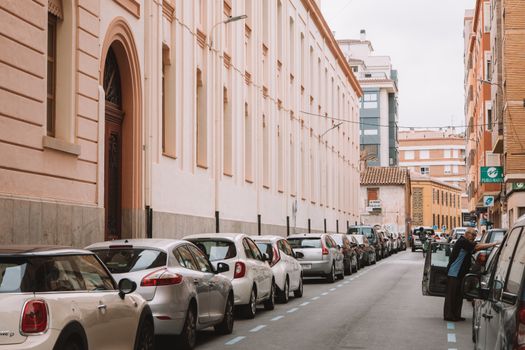 Photo: Joaquin Carfagna / Pexels
 Photo: Vlad Deep / Pexels
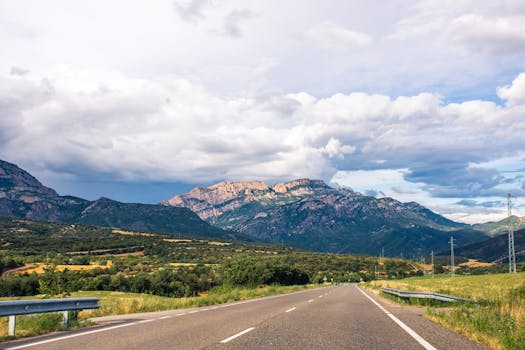 Photo: Philip Ackermann / Pexels
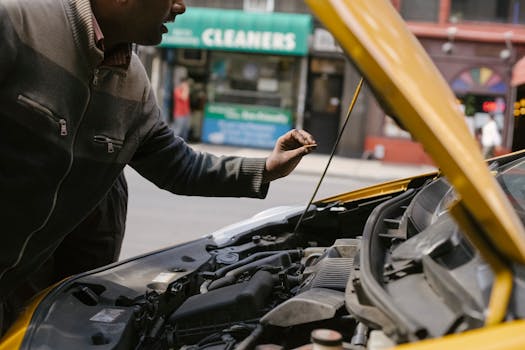 Photo: Tim Samuel / Pexels