
Your Ultimate Guide to Car Rental Spain for an Unforgettable Trip
car rental Spain

Your Ultimate Guide to Car Rental Spain for an Unforgettable Trip

Breathtaking view of a winding coastal road at Formentor cliffs with stunning seascape.Photo: Philippe WEICKMANN / Pexels

Your Ultimate Guide to Car Rental Spain for an Unforgettable Trip

Navigate Spain's diverse landscapes and vibrant cities with the freedom and flexibility only a rental car can provide.

Find Your Perfect Car

Key Takeaways

  • ✓ Minimum driving age is 18, but most rental companies require drivers to be 21-25 with 1-2 years experience.
  • ✓ An International Driving Permit (IDP) is recommended for non-EU license holders, though not always legally required.
  • ✓ Manual transmission cars are more common and often cheaper than automatics.
  • ✓ Collision Damage Waiver (CDW) and Theft Protection (TP) are usually mandatory and included in basic rates, but often have high excesses (deductibles).

How It Works

1
Choose Your Vehicle & Dates

Select the car type that best suits your travel needs and the exact pick-up/drop-off dates and locations. Consider luggage space and passenger count carefully.

2
Understand Insurance Options

Review the included insurance (CDW/TP) and consider additional coverage like Super CDW to reduce your excess. Compare third-party options for better value.

3
Book & Prepare Documents

Book in advance for better rates, especially during peak season. Gather your valid driver's license, passport, credit card, and any required IDP.

4
Pick Up & Inspect Thoroughly

At pick-up, meticulously inspect the car for existing damage and ensure it's noted on the contract. Understand the fuel policy before driving away.

Why Opt for Car Rental Spain? Unlocking Freedom and Flexibility

Beautiful view of AP-7 highway near Fuengirola and Málaga, with distant mountains under a blue sky.Photo: ricfer / Pexels
Spain is a country of incredible diversity, from the sun-drenched beaches of Andalusia to the rugged peaks of the Pyrenees, the architectural marvels of Barcelona, and the historic charm of Granada. While public transport is efficient in major cities, truly experiencing the hidden gems, picturesque villages, and breathtaking national parks often requires the freedom that only a rental car can provide. Imagine spontaneously deciding to detour to a secluded cove along the Costa Brava, or stopping for a leisurely lunch in a tiny, family-run restaurant nestled in the hills of La Rioja – these are the moments that define an unforgettable Spanish adventure. Relying solely on buses and trains can restrict your itinerary, forcing you to adhere to fixed schedules and limiting your access to off-the-beaten-path destinations that often offer the most authentic cultural experiences. With car rental in Spain, you dictate your pace, your route, and your discoveries. Beyond just convenience, renting a car in Spain offers significant advantages for certain types of trips. If you're planning a road trip through multiple regions, exploring the White Villages of Andalusia, touring the wine regions, or hopping between national parks, a rental car is virtually indispensable. Families with children or travelers with extensive luggage will also find the extra space and comfort invaluable. Navigating the logistics of public transport with car seats, strollers, or multiple suitcases can quickly become a stressful ordeal, detracting from the joy of your vacation. A private vehicle allows you to pack what you need, make unscheduled stops for snacks or bathroom breaks, and ensures a more relaxed journey for everyone. Furthermore, for those seeking to immerse themselves in local culture by staying in rural guesthouses or agroturismos, a car is often the only practical way to reach these charming, isolated accommodations. It transforms your trip from a series of scheduled transfers into a fluid, personal exploration of Spain's rich tapestry of landscapes and traditions. The initial cost might seem higher than individual train tickets, but when factoring in the time saved, the flexibility gained, and the access to unique experiences, car rental often proves to be the most cost-effective and enriching option for a truly immersive Spanish holiday.

Navigating the Essentials: What You Need for Renting a Car in Spain
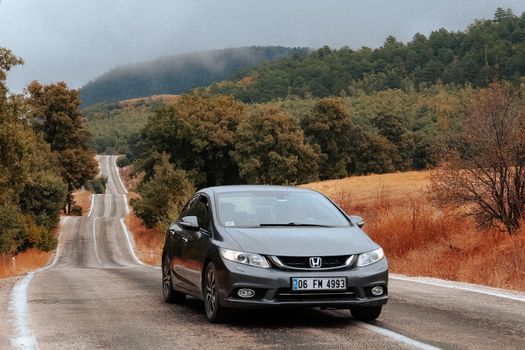
A car drives down a picturesque road surrounded by autumn foliage and rolling hills.Photo: Alican Helik / Pexels
Before you hit the road in Spain, it's crucial to understand the requirements and prepare your documents. The primary driver and any additional drivers will need a valid driver's license. For EU citizens, your national license is sufficient. However, for non-EU citizens, while your home country license might be accepted by some rental agencies, it is highly recommended to obtain an International Driving Permit (IDP). Although not always legally mandated, particularly for short stays, an IDP translates your license into multiple languages and can be invaluable if you encounter a police stop or need to file an insurance claim. It acts as a certified translation and can prevent misunderstandings. You typically need to apply for an IDP in your home country before you travel. Age restrictions are another important factor. While the legal driving age in Spain is 18, most car rental companies impose a minimum age of 21, and some even 25, for certain vehicle categories. Additionally, drivers under 25 (sometimes 30) are often subject to a 'young driver' surcharge, which can significantly increase the total cost. Always check the specific age policy of your chosen rental company before booking. You'll also need a major credit card in the primary driver's name for the security deposit. This deposit can range from a few hundred to over a thousand euros, depending on the vehicle class and rental company. Debit cards are generally not accepted for the deposit, so ensure your credit card has sufficient available credit. Insurance is a complex but vital aspect of car rental in Spain. Basic rental agreements typically include Collision Damage Waiver (CDW) and Theft Protection (TP), often with a high excess (deductible) that you would be liable for in case of damage or theft. This excess can be substantial, sometimes over €1,000. Many travelers opt for additional coverage, either directly from the rental company (often called Super CDW or Excess Waiver) or from a third-party insurer. Third-party excess insurance can often provide more comprehensive coverage at a lower price than the rental company's offerings, but requires you to pay the excess to the rental company first and then claim it back from your insurer. Thoroughly review what is included in your booking and consider your risk tolerance before deciding on additional insurance. Understanding these essentials upfront will ensure a smooth and stress-free car rental experience in Spain.

Decoding Insurance and Costs: Smart Strategies for Car Hire Spain

Empty foggy road with a stop sign and tires, creating a moody summer scene.Photo: Matias Mango / Pexels
Understanding the true cost of car hire Spain goes beyond the advertised daily rate. Insurance, fuel policies, and hidden fees can significantly inflate your final bill if you're not careful. As mentioned, basic CDW and TP are usually included, but the high excess means you're still on the hook for a substantial amount if anything goes wrong. This is where supplementary insurance comes into play. Rental companies will aggressively offer their 'full coverage' options at the counter, which, while convenient, are often overpriced. These typically reduce your excess to zero, providing peace of mind but at a premium. Alternatively, third-party excess insurance policies, purchased independently before your trip, can offer comparable coverage at a fraction of the cost. These policies cover the excess amount you would owe to the rental company in the event of damage or theft. The key difference is that with third-party insurance, you pay the rental company first (they'll charge your credit card for the excess), and then claim reimbursement from your third-party insurer. While this requires an upfront payment and an extra step, the savings can be considerable. Always read the fine print of any insurance policy to understand what's covered (e.g., tires, windows, undercarriage are often excluded from basic CDW) and any exclusions. Fuel policies are another common point of confusion. The most common options are 'full-to-full' and 'full-to-empty'. 'Full-to-full' is generally the most economical: you pick up the car with a full tank and return it full. If you don't return it full, the company will charge you for the fuel at an inflated rate, plus a refueling service fee. 'Full-to-empty' means you pay for a full tank upfront (often at a high price per liter) and are encouraged to return it empty. While this seems convenient, you rarely use every drop, effectively paying for fuel you don't consume, and the per-liter price is usually much higher than at a local petrol station. Always opt for 'full-to-full' if available. Beyond insurance and fuel, watch out for additional fees: 'young driver' surcharges, 'additional driver' fees, 'one-way rental' fees if picking up and dropping off in different locations, and charges for GPS or child seats. Booking these extras online in advance can sometimes be cheaper than at the counter. Finally, booking well in advance, especially during peak seasons like summer or major holidays, can secure better rates and a wider selection of vehicles. Using price comparison websites is a great start, but always check the rental company's direct website for potential exclusive deals and to verify all terms and conditions.

Driving in Spain: Rules, Roads, and Essential Tips to Avoid Pitfalls

Driving in Spain is generally a pleasant experience, with well-maintained roads and clear signage. However, there are specific rules and customs you should be aware of to ensure a safe and penalty-free journey. Firstly, Spain drives on the right-hand side of the road, and overtaking is on the left. Seatbelts are mandatory for all occupants, front and rear. Speed limits are clearly signposted: typically 120 km/h (75 mph) on motorways (autopistas and autovías), 90 km/h (56 mph) on conventional roads outside urban areas, and 50 km/h (31 mph) or 30 km/h (19 mph) in urban zones. Be vigilant for speed cameras, which are common. One crucial item to remember is that by law, your rental car must contain certain safety equipment: a reflective warning triangle and a high-visibility vest for each occupant. While rental companies typically provide these, it's good practice to quickly check upon pick-up. If you break down or have an accident, you must wear the vest when outside the vehicle on the road. Mobile phone use while driving is strictly prohibited unless using a hands-free system; fines are hefty. Drinking and driving laws are also very strict, with lower blood alcohol limits than many other countries. Parking can be a challenge in Spanish cities. Look for blue zones (zona azul) which are paid parking, often with time limits, requiring you to use a parking meter. Green zones (zona verde) are often reserved for residents, so be cautious. Underground car parks (aparcamiento subterráneo) are usually the safest and most convenient option in city centers, though they can be expensive. In smaller towns, free street parking might be available, but always check signs carefully. When driving through historic city centers, be aware of 'Zonas de Bajas Emisiones' (Low Emission Zones) or 'Zonas de Restricción al Tráfico' (Traffic Restriction Zones). These areas, particularly in cities like Madrid and Barcelona, restrict access for non-resident vehicles or those that don't meet certain emission standards. Your rental car will likely have an environmental sticker (distintivo ambiental) indicating its emission class; be sure to understand any restrictions for your chosen destinations. Navigating these zones without proper permits can result in significant fines. Always use a reliable GPS system, like Google Maps, which often includes real-time traffic and parking information, to help you navigate unfamiliar roads and avoid potential pitfalls. Familiarizing yourself with these nuances will greatly enhance your driving experience in Spain.

Comparison

FeatureLocal Rental AgenciesInternational ChainsThird-Party BrokersPersonal Car
PriceOften competitive, especially for longer rentalsGenerally higher, but with frequent promotionsCan be cheapest, but watch for hidden feesHigh initial cost, maintenance
Fleet VarietyMay be smaller, older modelsExtensive, modern fleetWide range from various suppliersLimited to one vehicle
Insurance OptionsBasic CDW/TP, often high excessComprehensive options, but expensiveOften offer cheaper excess insuranceYour own policy (check coverage abroad)
Customer ServicePersonalized, local knowledgeStandardized, multi-lingual supportVaries by underlying supplierSelf-reliance
Pick-up/Drop-offLimited locationsExtensive airport/city locationsDepends on supplierAnywhere
Flexibility

What Our Readers Say

5 ★★★★★

"Renting a car in Spain through this guide was a breeze! We explored Andalusia at our own pace, finding incredible local spots. The insurance advice saved us a lot of money at the counter."

5 ★★★★★

"First time driving in Spain, and this resource was invaluable. Knowing about the IDP and fuel policies beforehand prevented any surprises. Our road trip from Barcelona to Valencia was fantastic!"

5 ★★★★★

"We followed the tips for inspecting the car and it paid off – found a small scratch not noted, which was quickly added to the contract. No issues at drop-off thanks to that attention to detail."

4 ★★★★☆

"The car rental experience was mostly smooth. I wish I had paid more attention to the young driver surcharge, but the car itself was great for exploring the Picos de Europa. Very helpful article overall."

5 ★★★★★

"As a family with two small children, having our own rental car was a game-changer for our trip to the Spanish coast. We could easily pack all our gear and stop whenever needed. Highly recommend!"

Frequently Asked Questions

What is the minimum age for car rental in Spain?
While the legal driving age is 18, most rental companies require drivers to be at least 21 years old. For certain car categories, the minimum age can be 25. Drivers under 25 (or sometimes 30) are typically subject to a 'young driver' surcharge.
Do I need an International Driving Permit (IDP) for car rental Spain?
For non-EU citizens, an IDP is highly recommended, though not always legally required for short stays. It serves as a translation of your national license and can prevent issues with police or insurance companies. EU citizens only need their national license.
What type of insurance should I get for my rental car in Spain?
Basic Collision Damage Waiver (CDW) and Theft Protection (TP) are usually included, but come with a high excess. Consider purchasing additional 'excess waiver' insurance, either from the rental company (more expensive) or a third-party provider (often cheaper), to reduce your liability in case of damage or theft.
What are common hidden costs to watch out for with car rental in Spain?
Beyond the daily rate, watch for young driver surcharges, additional driver fees, one-way rental fees, charges for GPS or child seats, and especially fuel policy discrepancies. Always opt for 'full-to-full' fuel policies to avoid inflated refueling costs.
Is it difficult to drive in Spanish cities?
Driving in Spanish cities can be challenging due to narrow streets, pedestrian zones, and limited parking. Many cities, like Madrid and Barcelona, also have Low Emission Zones (ZBE) with restricted access. For city exploration, consider parking on the outskirts and using public transport, or choosing smaller, more manageable vehicles.
Can I pick up a car in one Spanish city and drop it off in another?
Yes, one-way rentals are generally possible across Spain. However, they usually incur an additional 'one-way fee' which can vary significantly depending on the distance between locations and the rental company. Always check this fee before booking.
What documents do I need to pick up my rental car?
You will need your valid driver's license (and IDP if required), your passport or national ID card, and a major credit card in the primary driver's name for the security deposit. Have your booking confirmation handy as well.
Are automatic cars common for car rental Spain?
While automatic cars are becoming more available, manual transmission vehicles are still more common and often cheaper in Spain. If you specifically require an automatic, it's crucial to book well in advance and be prepared for potentially higher rates.

Armed with this comprehensive guide, you're now ready to confidently book your car rental Spain and embark on an unforgettable journey. Compare prices, understand the terms, and prepare for the open road – your Spanish adventure awaits!

Topics: car rental Spainrent a car Spaindriving in SpainSpain car hire tipsSpain road trip
Leo List
Brampton weed
Adultwork