Common Car Rental Mistakes to Avoid in Spain
car rental mistakes

Common Car Rental Mistakes to Avoid in Spain

Navigate the complexities of Spanish car hire with ease and prevent costly errors on your next adventure.

Rent Smart Now

Key Takeaways

  • ✓ Always read the rental agreement thoroughly, especially the fine print.
  • ✓ Understand insurance options before you pick up the car.
  • ✓ Inspect the vehicle for existing damage and document it meticulously.
  • ✓ Be aware of fuel policies and return the car accordingly.

How It Works

1
Research and Compare

Before booking, compare prices and terms from multiple rental companies. Look beyond the headline price to include insurance and fuel policies.

2
Understand the Agreement

Carefully read the rental contract, paying close attention to mileage limits, additional driver fees, and cancellation policies. Clarify any doubts before signing.

3
Thorough Vehicle Inspection

Upon pickup, meticulously inspect the car for any existing damage, inside and out. Document everything with photos or video before driving off the lot.

4
Return Strategy

Plan your return. Ensure the fuel tank is at the agreed level and allow ample time for final inspection. Keep all documentation until your deposit is returned.

Overlooking the Rental Agreement's Fine Print
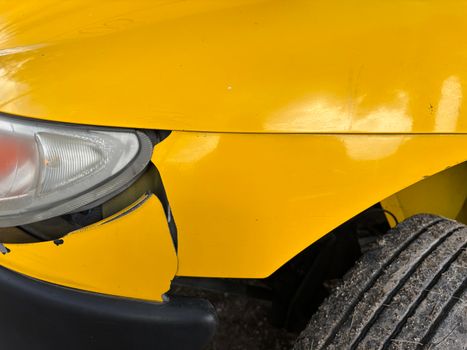
Close-up image of a yellow car's damaged front bumper and headlight for insurance or accident concept. Photo: Jorge Romero / Pexels
One of the most frequent and costly mistakes travelers make when renting a car in Spain is failing to meticulously review the rental agreement. Many assume all contracts are standard, but the devil is truly in the details. Rental companies often include clauses that can significantly impact the final cost and your responsibilities. For instance, some agreements might have strict mileage limits. Exceeding these can lead to exorbitant per-kilometer charges that quickly add up, especially if you're planning an extensive road trip across Spain. Always clarify if unlimited mileage is included, and if not, estimate your travel distance to avoid unwelcome surprises. Another critical aspect often buried in the fine print relates to additional driver policies. If you plan for more than one person to drive the vehicle, most companies require you to register them on the contract. Failing to do so can invalidate your insurance in case of an accident, leaving the primary renter fully liable for all damages. There's almost always an extra daily fee for additional drivers, so factor this into your budget upfront. Furthermore, pay close attention to the cancellation policy. Life happens, and plans can change. Some companies offer free cancellation up to a certain point, while others might charge a hefty fee or even the full rental cost if you cancel too close to the pickup date. Understanding these terms can save you significant money if your itinerary shifts. Don't be afraid to ask for clarification on any clause you don't fully understand. A few minutes spent scrutinizing the document at the counter can prevent hours of headaches and unexpected expenses later. For more general advice on car rentals, check out our guide on how to rent a car hassle-free. Remember, a well-informed renter is a well-protected renter.

Misunderstanding Car Rental Insurance in Spain

Navigating car rental insurance can feel like a labyrinth, and in Spain, it's a common source of confusion and unexpected costs. Many renters mistakenly believe their personal car insurance or credit card coverage automatically extends to international rentals, or that the basic insurance offered by rental companies is comprehensive enough. This is rarely the case. The basic insurance included in most Spanish car rentals, often called Collision Damage Waiver (CDW) or Loss Damage Waiver (LDW), typically comes with a significant excess (deductible). This means that in the event of damage, you're responsible for the first few hundred or even thousand euros. To avoid this excess, rental companies aggressively push their 'Super CDW' or 'Full Protection' packages at the counter, which can double the cost of your rental. While these can provide peace of mind, they are often overpriced. Before you travel, research third-party insurance providers that offer standalone car rental excess insurance. These policies are usually much cheaper and offer comprehensive coverage for the deductible. Also, be aware of what standard CDW often *doesn't* cover. This can include damage to tires, windows, mirrors, the undercarriage, or loss of keys. These are common points of contention and can lead to substantial charges if you're not adequately covered. Always ask for a clear breakdown of what is and isn't covered by the insurance options presented. Documenting the car's condition thoroughly before you drive off is even more crucial if you opt for minimal coverage. Knowing your insurance options and making an informed decision before arriving at the rental desk can save you hundreds of euros and prevent stressful disputes after your trip. It's not about avoiding insurance, but about choosing the right insurance for your needs and budget.

See also: joyclubde.com.

Ignoring Fuel Policies and Vehicle Inspection

Two critical areas where renters often falter are understanding the fuel policy and conducting a thorough vehicle inspection. Regarding fuel, the 'full-to-full' policy is generally the most straightforward and cost-effective. This means you pick up the car with a full tank and return it full. Any other policy, such as 'full-to-empty' (where you pay for a full tank upfront and return it empty) or 'pre-purchase with partial refund' (less common), often results in you paying inflated prices for fuel or not receiving a full refund for unused fuel. Always confirm the fuel policy when booking and again at the counter. If you choose 'full-to-full', make sure you know where the nearest petrol station is to the return location to avoid a last-minute scramble. The vehicle inspection at pickup is arguably the most vital step to prevent being charged for pre-existing damage. Do not rush this process. Take your time, even if the rental agent seems impatient. Walk around the entire vehicle, carefully checking every panel, bumper, wheel, and mirror for scratches, dents, or scuffs. Open the doors and check the interior for tears, stains, or missing parts. Don't forget to check the roof, especially if it's a convertible or SUV. Use your smartphone to take detailed photos and a video of the car from all angles, making sure timestamps are enabled. Point out every single imperfection, no matter how minor, to the rental agent and ensure it is meticulously documented on the rental agreement's damage report. If the agent dismisses a scratch as 'too small', insist it's noted. This visual evidence is your strongest defense against unwarranted charges upon return. A few minutes of diligence here can save you hundreds of euros in bogus damage claims. For tips on seamless travel, explore our guide on optimizing your car rental experience.

Common Pitfalls and How to Avoid Them

Beyond the big three, several smaller yet significant mistakes can trip up even experienced travelers when renting a car in Spain. Being aware of these can further smooth your journey: * **Not booking in advance:** Especially during peak season (summer, holidays), popular car categories can sell out or prices can skyrocket. Booking several weeks or even months ahead secures better rates and availability. * **Ignoring local traffic laws and tolls:** Spain has specific traffic regulations, including speed limits, parking rules, and sometimes environmental zones in cities that require special permits. Research these before driving. Many Spanish motorways are toll roads (autopistas). Ensure you understand how to pay tolls (cash, card, or electronic tag) to avoid fines. * **Returning the car late:** Rental companies are very strict about return times. Even a delay of an hour can result in an extra day's charge. Plan your return with ample buffer time, especially if you have a flight to catch. * **Not checking for necessary accessories:** If you need a child seat or a GPS, ensure you book these in advance. They are often subject to availability and can be expensive additions if not pre-arranged. Consider bringing your own child seat if possible, as rental costs can quickly add up. * **Using a debit card for deposit:** While some companies allow debit cards for payment, most prefer a credit card for the security deposit. Using a debit card might lead to a much larger hold on your funds or even require you to purchase additional, expensive insurance directly from the rental company. Always use a credit card for the deposit if possible. * **Forgetting to verify the car class:** Sometimes, due to availability, you might be offered an 'upgrade' that isn't really an upgrade for your needs, or a different car than what you booked. Confirm the car class meets your requirements (e.g., luggage space, number of passengers) before accepting. By keeping these common pitfalls in mind, you can significantly reduce stress and enhance your car rental experience in Spain, making your trip more enjoyable and budget-friendly.

Comparison

FeatureSmart RenterTypical Mistake 1Typical Mistake 2
Rental AgreementReads all fine printSkims quicklyAssumes standard terms
InsuranceResearches third-party optionsBuys expensive counter insuranceRelies on credit card (unverified)
Vehicle InspectionDocuments all damage with photos/videoQuick glance, trusts agentNo inspection, rushes off
Fuel PolicyChooses 'full-to-full'Accepts 'full-to-empty'Doesn't confirm policy

What Readers Say

"This article saved me so much hassle! I nearly made the mistake of not documenting a small scratch, but remembering this advice, I insisted. Sure enough, they tried to charge me for it on return, but my photos cleared it up instantly. Thank you!"

Maria G. · Madrid, Spain

"The section on insurance was a lifesaver. I usually just take whatever the rental desk offers, but this time I got third-party excess insurance beforehand and saved nearly €150. Fantastic tips for anyone renting in Spain."

David L. · London, UK

"I followed the advice on booking in advance and understanding the fuel policy. My trip through Andalusia was smooth, and I avoided all the hidden fees my friends usually complain about. Highly recommend reading this before your next rental."

Sophie K. · Berlin, Germany

"Very comprehensive guide, especially useful for first-time renters in Spain. I wish it had a bit more detail on specific toll payment systems, but overall, it's an excellent resource for avoiding common car rental pitfalls."

Carlos P. · Barcelona, Spain

"As someone who travels frequently, I thought I knew it all, but this article highlighted several nuances specific to Spain that I hadn't considered, particularly around additional drivers. My trip was much less stressful because of it!"

Emily R. · New York, USA

Frequently Asked Questions

What's the most important thing to check when picking up a rental car in Spain?

The most important step is a thorough vehicle inspection. Meticulously check the car for any pre-existing damage (scratches, dents, dings, interior wear) before driving off the lot. Document everything with timestamped photos or videos and ensure all damage is noted on your rental agreement by the agent. This prevents you from being charged for damage you didn't cause.

Should I buy the rental company's full insurance at the counter?

While the rental company's full insurance offers peace of mind, it is often significantly more expensive than necessary. It's usually more cost-effective to purchase third-party car rental excess insurance from an independent provider before your trip. This covers the deductible (excess) that basic rental company insurance typically leaves you responsible for.

How can I avoid hidden fees when renting a car in Spain?

To avoid hidden fees, always read the rental agreement's fine print, understand the fuel policy (full-to-full is usually best), pre-book any necessary extras like child seats or GPS, and be punctual with your return. Also, ensure all additional drivers are listed on the contract to avoid invalidating insurance and incurring penalties.

Is it cheaper to book a rental car in Spain in advance or last minute?

It is almost always cheaper and more reliable to book your rental car in Spain well in advance, especially if you're traveling during peak season or holidays. Last-minute bookings often lead to higher prices, limited vehicle availability, and fewer choices of car types or rental companies.

What's the difference between CDW and full protection insurance?

Collision Damage Waiver (CDW) typically covers damage to the rental car itself, but it usually comes with a significant excess (deductible) which you are liable for. Full protection, often sold as 'Super CDW' or 'Zero Excess', eliminates or significantly reduces this deductible, covering almost all damage to the vehicle and sometimes specific parts like tires and windows.

Who should read this guide on avoiding car rental mistakes?

Anyone planning to rent a car in Spain, whether it's their first time or they are a seasoned traveler, will benefit from this guide. It's particularly helpful for those looking to save money, avoid common pitfalls, and ensure a smooth, stress-free car rental experience in a foreign country.

Are there any risks associated with using a debit card for a car rental deposit?

Yes, using a debit card for a car rental deposit can carry risks. Many companies prefer credit cards and may place a much larger hold on your debit account, tying up your funds. Some might even refuse debit cards or require you to purchase their most expensive insurance package if you don't have a credit card for the deposit, leading to unexpected costs and inconvenience.

What are the future trends in car rental to be aware of in Spain?

Future trends in car rental in Spain include an increased focus on electric and hybrid vehicles, more flexible subscription-based rental models, and advanced digital check-in/checkout processes via apps. There's also a growing emphasis on transparent pricing and more personalized insurance options to cater to diverse traveler needs and preferences.

By understanding and avoiding these common car rental mistakes, you can ensure a smooth, enjoyable, and cost-effective journey through Spain. Don't let preventable errors spoil your adventure; plan smart, rent smart, and drive safe on your next trip!

Topics: car rental mistakesrenting a car Spaincar hire tipsavoid hidden feesinsurance car rental
Leo List
Brampton weed
Adultwork