Compare Car Rental Prices Spain: Your Ultimate Savings Guide
July 13, 2026 17 min read 3,430 words
Unlock incredible savings and find the perfect vehicle for your Spanish journey with our comprehensive comparison guide.
Find Your Deal Now
Why You Must Compare Car Rental Prices Spain for Your Trip

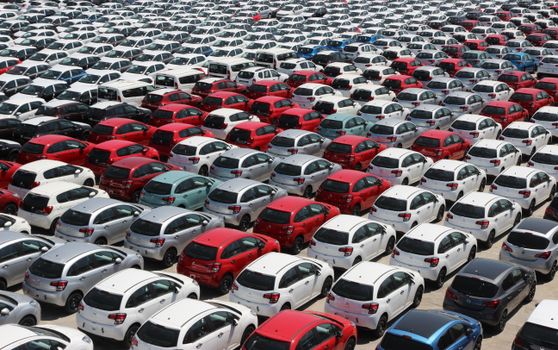
Photo: Magic K / Pexels
Spain, with its diverse landscapes, rich history, and vibrant culture, is a country best explored with the freedom of your own wheels. From the sun-drenched beaches of the Costa del Sol to the majestic peaks of the Pyrenees, and the bustling cityscapes of Madrid and Barcelona to the charming white villages of Andalucía, a rental car opens up a world of possibilities that public transport simply cannot match. However, the sheer number of car rental providers, varying pricing structures, and often confusing terms and conditions can make securing a vehicle a daunting task. This is precisely why it's not just recommended, but essential, to compare car rental prices Spain before making any booking decisions.
Firstly, the Spanish car rental market is highly competitive, featuring both international giants like Hertz, Avis, Europcar, and Budget, alongside prominent local players such as Goldcar, Centauro, and Record Go. Each of these companies offers different rates, vehicle fleets, and service packages, which fluctuate based on seasonality, demand, location, and even the day of the week. Without a systematic comparison, you could easily overpay by a significant margin. A simple search on a single provider's website will only show you their offerings, leaving you unaware of potentially much better deals available elsewhere. Comparison platforms aggregate these options, presenting them side-by-side, allowing for an informed choice based on your specific needs and budget.
Secondly, understanding the total cost is paramount. The advertised 'daily rate' is often just the tip of the iceberg. Factors like mandatory insurance, fuel policies, one-way fees, additional driver charges, and even road tolls can add substantially to your final bill. Comparison tools often highlight these differences, helping you decipher the true cost of your rental. For instance, a seemingly cheaper deal might come with a 'full-to-empty' fuel policy, meaning you pay for a full tank upfront at an inflated price and are encouraged to return it empty, which is rarely achievable. A 'full-to-full' policy, though potentially showing a higher initial daily rate, often proves more economical in the long run.
Moreover, different providers excel in different areas. Some might offer better deals for longer rentals, while others specialize in luxury vehicles or budget-friendly compact cars. Some have more convenient pick-up locations at airports, while others might be better situated for city center collections. By comparing, you can not only find the best price but also the most suitable car and service for your itinerary. This meticulous approach ensures that your Spanish road trip starts on the right foot, saving you money and stress, and allowing you to focus on enjoying the breathtaking journey ahead. For more general advice on navigating car rental, explore our guide on
how to rent a car.
Finally, comparing prices also exposes you to various customer reviews and ratings for each provider. While price is a major factor, the quality of service, vehicle condition, and ease of pick-up/drop-off can significantly impact your travel experience. A slightly higher price for a reputable company with excellent reviews might be a worthwhile investment for peace of mind. Therefore, to truly optimize your car rental experience in Spain, a thorough comparison is not just a good idea – it's a strategic necessity.
Key Factors Influencing Car Rental Prices in Spain
Photo: Dirk Pothen / Pexels
When you compare car rental prices Spain, you'll quickly notice that rates are dynamic and influenced by a multitude of factors. Understanding these elements can empower you to make smarter booking decisions and potentially save a significant amount of money. The interplay of demand, seasonality, booking lead time, vehicle type, location, and specific rental policies all contribute to the final price you'll pay.
**Seasonality and Demand:** This is arguably the biggest driver of price fluctuations. Spain is a hugely popular tourist destination, particularly during the summer months (June to August), Easter week, and major public holidays. During these peak periods, demand for rental cars skyrockets, leading to substantially higher prices. Conversely, the shoulder seasons (April-May, September-October) and off-peak months (November-March, excluding Christmas/New Year) typically offer much more competitive rates. If your travel dates are flexible, opting for the shoulder season can result in significant savings. Even within a season, booking a car for a weekend can be more expensive than a weekday rental due to increased local demand.
**Booking Lead Time:** As a general rule, booking your rental car well in advance almost always secures a better deal. Prices tend to increase as the pick-up date approaches, especially during high-demand periods. Aim to book at least 2-4 months ahead for peak season travel. Last-minute bookings, while sometimes unavoidable, often mean paying a premium and having fewer vehicle options. Early booking also gives you the flexibility to monitor prices and potentially re-book if a better deal emerges, provided your initial booking has a free cancellation policy.
**Vehicle Type and Transmission:** The type of car you choose has a direct impact on the price. Economy and compact cars are generally the cheapest options, ideal for city driving and couples or small families. Mid-size and full-size cars, SUVs, and luxury vehicles naturally command higher rates. Additionally, automatic transmission cars are less common in Spain compared to manual (stick shift) vehicles. As such, automatics are often more expensive to rent, sometimes significantly so, due to their limited availability and higher demand from international tourists unfamiliar with manual driving. If you can drive a manual, you'll likely find more options and better prices.
**Pick-up Location:** Where you collect your car also plays a crucial role. Renting directly from major airport terminals (e.g., Madrid Barajas, Barcelona El Prat, Malaga Airport) is often more convenient but can sometimes be more expensive due to airport surcharges and taxes. City center locations or train stations might offer slightly lower base rates, but you need to factor in the cost and time of getting to these locations. One-way rentals, where you pick up in one city and drop off in another, almost always incur an additional 'one-way fee,' which can be substantial.
**Rental Duration:** Longer rental periods often result in lower average daily rates. Many companies offer better per-day pricing for rentals of a week or more compared to short weekend hires. If you need a car for an extended period, always compare the total cost for the full duration rather than just the daily rate.
**Fuel Policy and Insurance:** These are critical elements that can drastically alter the final price. As mentioned, 'full-to-full' fuel policies are generally the most transparent and cost-effective. Regarding insurance, the basic Collision Damage Waiver (CDW) and Theft Protection (TP) are usually included, but these often come with a high excess (deductible). Rental companies will aggressively offer additional insurance products like 'Super CDW' or 'Excess Waiver' at the counter. While these provide peace of mind, they can significantly increase your daily cost. Third-party excess insurance policies, purchased independently before your trip, often offer more comprehensive coverage at a fraction of the cost. Always consider these factors when you compare car rental prices Spain to get a true picture of the total expenditure.
Mastering Comparison Websites: Your Toolkit to Compare Car Rental Prices Spain
Photo: Pavel Danilyuk / Pexels
To effectively compare car rental prices Spain, leveraging dedicated comparison websites is your most powerful tool. These platforms act as aggregators, pulling data from dozens of rental companies, both international and local, to present you with a comprehensive overview of available options. However, simply typing in your dates and hitting search isn't enough; mastering these tools requires a strategic approach to ensure you find the absolute best deal without hidden surprises.
**Choose Reputable Aggregators:** Start with well-known and trusted comparison sites. Popular choices include Skyscanner, Rentalcars.com, Kayak, Expedia, and AutoEurope. Each platform might have slightly different partnerships and therefore present varying deals, so it’s often beneficial to check 2-3 different sites for a broader perspective. These sites typically have robust filtering options and transparent pricing displays, making it easier to evaluate offers.
**Input Precise Details:** Accuracy is key. Enter your exact pick-up and drop-off locations (airport codes are best for airports, specific city addresses for downtown), and precise dates and times. Even a slight variation in pick-up or drop-off time can sometimes change the daily rate, as companies often price in 24-hour blocks. If you return a car an hour late, you could be charged for an extra day, so be realistic about your schedule.
**Utilize Advanced Filters:** This is where the real power of comparison sites lies. Don't just look at the cheapest car. Immediately filter by:
* **Vehicle Type:** Do you need an economy car for city driving, an SUV for mountain roads, or a minivan for a family?
* **Transmission:** Crucially, specify 'Automatic' if you cannot drive a manual.
* **Fuel Policy:** Always prioritize 'Full-to-Full'. This is the fairest policy, ensuring you only pay for the fuel you use at local pump prices.
* **Included Mileage:** Ensure unlimited mileage is included if you plan extensive driving. Some budget options might have daily mileage caps, incurring extra charges if exceeded.
* **Number of Drivers:** If more than one person will drive, make sure the comparison accounts for potential 'additional driver' fees.
* **Insurance Options:** While comparison sites show basic insurance, they rarely include the full excess waiver offered at the counter. However, they will indicate the excess amount, allowing you to plan for third-party excess insurance.
**Read the Fine Print (Seriously!):** Before clicking 'book,' always expand the 'Terms and Conditions' or 'Important Information' section for your chosen deal. This is where you'll find crucial details about:
* **Security Deposit:** The amount blocked on your credit card.
* **Excess Amount:** The maximum you'd pay in case of damage or theft.
* **Age Restrictions:** Minimum and maximum age requirements, and potential 'young driver' surcharges for those under 25 or 'senior driver' fees for those over 70-75.
* **Cancellation Policy:** Can you cancel for free, and if so, until when? This is vital for flexibility.
* **Required Documents:** What you need to bring for pick-up (driving license, international driving permit if applicable, credit card in the main driver's name, booking voucher).
**Check Direct Rental Company Sites:** After using a comparison site to identify a few strong contenders, it's a good practice to visit the rental companies' direct websites. Occasionally, they might have exclusive deals or loyalty program discounts not visible on aggregators. Also, comparing the direct site's terms with the aggregator's can sometimes reveal discrepancies or provide clearer information.
By diligently applying these strategies, you'll be well-equipped to navigate the complex world of car rental and truly compare car rental prices Spain effectively, securing the best vehicle at the best price for your adventure. For more information on what to look for in a rental, check out our guide on
choosing the right rental car.
Avoid Common Pitfalls: Expert Tips for Cheap Car Hire Spain
Photo: Karolina Grabowska www.kaboompics.com / Pexels
Even after you compare car rental prices Spain, there are still common traps that can turn a seemingly great deal into an expensive headache. Being aware of these pitfalls and adopting smart strategies can save you money, time, and stress during your Spanish adventure.
**1. Understand Fuel Policies:** As discussed, the 'full-to-full' policy is almost always the most economical. Avoid 'full-to-empty' or 'pre-purchased fuel' policies where you pay for a full tank upfront at an inflated price and are expected to return it empty. You rarely use every drop, meaning you're essentially donating fuel to the rental company.
**2. Don't Overpay for Insurance at the Counter:** The basic Collision Damage Waiver (CDW) and Theft Protection (TP) usually come with a high excess (deductible), often ranging from €600 to €2000. Rental agents will strongly push their own 'excess waiver' products, which can add €20-€30 or more per day. Instead, consider purchasing a third-party excess insurance policy *before* you travel. Companies like RentalCover, Worldwide Insure, or your credit card travel insurance might offer annual policies or single-trip coverage for a fraction of the cost, providing full peace of mind. Always check your personal car insurance or credit card benefits, as they might already offer some rental car coverage.
**3. Be Wary of Hidden Fees:** Always scrutinize the final price breakdown. Look out for:
* **Airport Surcharges:** Common at major airports.
* **One-Way Fees:** If picking up in one city and dropping off in another.
* **Additional Driver Fees:** If more than one person will be driving.
* **Young Driver Surcharges:** For drivers under 25.
* **Out-of-Hours Pick-up/Drop-off Fees:** If your flight arrives or departs very late/early.
* **Cleaning Fees:** If the car is returned excessively dirty.
**4. Inspect the Vehicle Thoroughly:** Before driving away, meticulously inspect the car for any existing damage (scratches, dents, chips, interior stains). Take photos or videos with timestamps as proof. Ensure all existing damage is clearly noted on the rental agreement. This protects you from being charged for pre-existing damage upon return. Do the same when you return the car.
**5. Return the Car on Time and with the Correct Fuel Level:** Rental companies are strict about return times. Even a slight delay can result in an extra day's charge. If you have a full-to-full fuel policy, ensure the tank is completely full (keep the receipt!) to avoid exorbitant refueling charges from the company.
**6. Consider Off-Airport Pick-up:** Sometimes, renting from a downtown location or a smaller office just outside the airport can be cheaper than renting directly from the terminal due to lower surcharges. Factor in the cost and time of getting to and from this alternative location.
**7. Credit Card Requirements:** The main driver *must* present a credit card in their own name for the security deposit. Debit cards are usually not accepted for the deposit, and if they are, they might come with stricter conditions or higher deposit amounts. Ensure your credit card has sufficient available credit for the deposit.
**8. International Driving Permit (IDP):** While many rental companies in Spain will accept a valid US, UK, or EU driving license, it's legally advisable for non-EU citizens to carry an International Driving Permit (IDP) alongside their national license. Some rental agencies or local police may require it, and not having one could lead to issues or fines. It's a small investment for peace of mind.
By keeping these expert tips in mind, you can navigate the complexities of car rental in Spain with confidence, ensuring you not only compare car rental prices Spain effectively but also avoid any costly surprises, leading to a smooth and enjoyable driving experience.