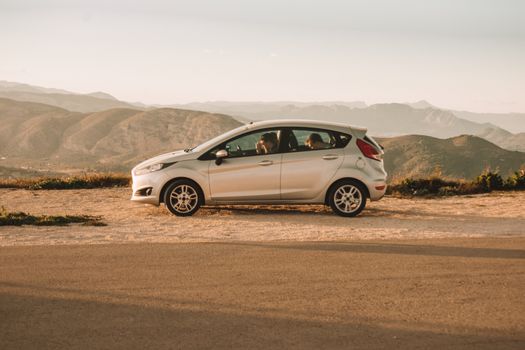
✓ International Driving Permit (IDP) is often required for non-EU drivers.
✓ Manual transmission cars are more common and cheaper to rent.
✓ Toll roads (autopistas) are frequent, consider an electronic tag or cash.
✓ Minimum rental age is typically 21, sometimes 23, with young driver fees.
How It Works
1
Research & Book Early
Compare prices and vehicle types from reputable companies well in advance, especially during peak season. Early booking often secures better rates and availability.
2
Understand Documentation
Ensure you have your valid driver's license, passport, credit card, and an International Driving Permit if applicable. Verify all requirements before you travel.
3
Choose Smart Insurance
Decide on your insurance coverage carefully. Understand what's included and consider additional options like excess waiver for peace of mind.
4
Inspect & Document Car
Upon pickup, thoroughly inspect the vehicle for existing damage and take photos or videos. Ensure all damage is noted on the rental agreement before leaving the lot.
Navigating Rental Agreements and Essential Documentation for Your Spanish Adventure
Photo: RDNE Stock project / Pexels
Embarking on a Spanish road trip promises unparalleled freedom and breathtaking scenery, but the foundation of a stress-free journey lies in understanding the intricacies of your car rental agreement and preparing the correct documentation. Many travelers, eager to hit the open road, overlook the fine print, only to encounter unexpected hurdles later. Before you even search for a vehicle, gather your essentials: a valid driver's license from your home country, your passport, and a credit card in the main driver's name. For non-EU citizens, an International Driving Permit (IDP) is not just recommended, but often a legal requirement. While some rental agencies might not explicitly ask for it at pickup, Spanish traffic police certainly can, and failing to produce one could result in hefty fines or even invalidate your insurance in the event of an accident. The IDP acts as a translation of your national license, making it crucial for seamless communication with authorities.
When reviewing the rental agreement, pay meticulous attention to clauses regarding fuel policy. The most common options are 'full-to-full,' which is generally the most economical, or 'full-to-empty,' where you pay for a full tank upfront and return it empty. The latter often includes a service charge and can be more expensive if you don't use all the fuel. Scrutinize the mileage limits; while many rentals offer unlimited mileage, some cheaper options might have daily caps, incurring additional fees if exceeded. Understand the breakdown assistance policy – is it included, or is there an extra charge for roadside help? Clarify the procedure for returning the car, including the exact drop-off location and acceptable condition. Any pre-existing damage should be clearly documented on the agreement before you drive away. Take photographs or a video walkthrough of the car at pickup, both inside and out, as irrefutable proof of its condition. This small step can save you significant disputes over alleged new damage upon return. Finally, ensure you understand the terms for additional drivers. Each extra driver usually incurs a daily fee and must also present their valid license and IDP. Ignoring these details could lead to unexpected costs or even legal complications, turning your dream Spanish drive into a logistical nightmare. For comprehensive advice on securing the best deals, consider checking out general car rental tips.
Decoding Car Rental Insurance in Spain: What You Need to Know
Photo: RDNE Stock project / Pexels
Car rental insurance in Spain can be a confusing maze, but understanding your options is paramount to protecting yourself financially and ensuring peace of mind during your trip. The basic rental price typically includes Third-Party Liability insurance (TPL), which covers damage to other vehicles or property and injuries to third parties. This is legally mandated in Spain. However, TPL does not cover damage to your rental vehicle or injuries to you or your passengers. For that, you'll need additional coverage.
Collision Damage Waiver (CDW) and Theft Protection (TP) are often included as standard in many rental packages, but they usually come with an 'excess' or 'deductible.' This is the amount you are liable to pay out-of-pocket before the insurance kicks in, often ranging from €600 to €2000. Many renters choose to reduce or eliminate this excess by purchasing an 'Excess Waiver Insurance.' This can be bought directly from the rental company at the counter, which is often the most expensive option, or through an independent third-party insurer before you travel. Third-party excess waiver policies are typically more comprehensive and significantly cheaper, covering areas often excluded by rental companies, such as damage to tires, windows, undercarriage, and lost keys.
Before purchasing additional insurance, check your personal car insurance policy or your credit card benefits. Some premium credit cards offer rental car insurance as a perk, which could provide primary or secondary coverage. If your credit card offers primary coverage, it means they pay first. If it's secondary, it means they'll cover what your other insurance doesn't. Always confirm the specifics with your credit card provider, including coverage limits, exclusions (e.g., certain vehicle types or rental durations), and whether it applies internationally. Remember, even if you have credit card coverage, the rental company will still require you to sign for their basic CDW with an excess. If you decline their excess waiver, they might put a large hold on your credit card to cover the excess amount, which can tie up a significant portion of your available credit.
Carefully consider your risk tolerance and budget when deciding on insurance. While it might seem like an extra expense, being adequately covered can save you thousands in the event of an accident or theft, allowing you to fully enjoy the stunning landscapes and vibrant culture of Spain without financial worry. Ensure you receive clear documentation of your chosen insurance coverage, detailing what is covered, what is excluded, and the precise excess amount. Don't hesitate to ask the rental agent to clarify any terms you don't understand, as language barriers can sometimes complicate these crucial discussions.
Driving Laws and Road Etiquette in Spain: Essential Knowledge for Renters
Photo: Joerg Hartmann / Pexels
Driving in Spain offers an incredible way to explore its diverse regions, from the bustling cities to the tranquil countryside. However, Spanish driving laws and road etiquette can differ significantly from what you're accustomed to, and understanding them is crucial for a safe and legal journey. Firstly, remember that Spain drives on the right-hand side of the road, and overtaking is generally done on the left. Seatbelts are mandatory for all occupants, front and rear, and children under 12 or shorter than 135cm must use an appropriate child restraint system. Rental companies can provide these, but it's often cheaper to bring your own or arrange it in advance.
Speed limits are clearly signposted and strictly enforced. On motorways (autopistas), the limit is typically 120 km/h (75 mph), on main roads 90 km/h (56 mph), and in urban areas, it can be as low as 30 km/h (19 mph) or 50 km/h (31 mph). Pay close attention to signage, especially around towns and villages, as speed cameras are common. Spain has a zero-tolerance policy for using mobile phones while driving, even hands-free devices are restricted; it's best to use a fully integrated car system or pull over. Drinking and driving laws are also stringent, with a lower blood alcohol content limit than in many other countries, so it's advisable to avoid alcohol entirely if you plan to drive.
Another unique aspect is the requirement to carry certain items in your vehicle. By law, you must have two reflective warning triangles and a reflective high-visibility vest for each occupant. While rental cars should come equipped with these, it's wise to double-check. In the event of a breakdown or accident, you must wear the vest when outside the vehicle on the road and place the triangles to warn oncoming traffic. Many Spanish cities, particularly larger ones like Madrid and Barcelona, have Low Emission Zones (ZBEs) where access is restricted based on vehicle emissions. Rental cars might or might not have the necessary environmental sticker (distintivo ambiental). Always check with your rental company if you plan to drive in these areas, as fines for non-compliance can be substantial.
Roundabouts are prevalent and operate on a 'yield to traffic already in the roundabout' principle. On multi-lane roundabouts, drivers intending to exit at the first or second exit should generally stay in the outer lane, while those taking later exits should use inner lanes. However, be prepared for some local variations in this rule, as Spanish drivers can sometimes navigate roundabouts quite aggressively. Parking can also be a challenge, especially in historic city centers. Look for blue zones (zona azul) which are paid parking, or green zones (zona verde) often reserved for residents or with shorter time limits. It's often easier and safer to use underground car parks (aparcamientos subterráneos). Understanding these nuances will not only keep you on the right side of the law but also help you blend in with local traffic flow, making your driving experience much more pleasant. For more general advice on vehicle considerations, explore our car rental guide.
Essential Driving Tips and Common Mistakes to Avoid in Spain
Driving in Spain can be an exhilarating experience, offering unparalleled freedom to explore its diverse landscapes and rich culture. However, to ensure a smooth and enjoyable journey, it's crucial to be aware of some essential tips and common pitfalls. Avoiding these mistakes can save you time, money, and unnecessary stress.
Here are some key driving tips and mistakes to avoid:
* **Understand Spanish Toll Roads (Autopistas):** Spain has an extensive network of toll roads. While they offer faster travel, they come at a cost. Many travelers are surprised by the number of tolls. You can pay with cash or credit card at the booths, but for convenience, consider renting a car with an electronic toll tag (Via-T or Telepeaje) if you plan extensive motorway travel. Alternatively, use navigation apps that allow you to avoid tolls, though this will likely mean longer travel times on national (N) roads.
* **Be Wary of Fuel Types:** Diesel (Gasóleo A) is generally cheaper than petrol (Gasolina 95 or 98). Always double-check which fuel type your rental car uses before filling up. Misfuelling is a common and very costly mistake. The fuel cap or dashboard usually indicates the correct fuel type.
* **Parking Prowess:** Parking in Spanish cities, especially historic centers, can be a nightmare. Avoid parking in 'zona azul' (blue zones) without paying at a nearby meter, or 'zona verde' (green zones) unless you are a resident or understand the specific time limits. Look for underground car parks (aparcamientos subterráneos) which are usually well-signposted and offer a safer, albeit paid, option. Never park in yellow-marked areas or those with 'Vado Permanente' (permanent access) signs, as your car will be towed swiftly.
* **Navigating ZBEs (Low Emission Zones):** As mentioned, major cities like Madrid and Barcelona have ZBEs. Ensure your rental car has the correct environmental sticker (distintivo ambiental) if you plan to enter these areas. Check with your rental company in advance. Fines are substantial and often arrive months after your trip.
* **Beware of Aggressive Driving:** While not universal, some Spanish drivers, particularly in urban areas, can be assertive. Maintain a safe distance, anticipate sudden lane changes, and be prepared for fast-moving traffic. Don't be surprised by drivers tailgating or using indicators sparingly.
* **Don't Rely Solely on GPS:** While GPS is invaluable, always have a general idea of your route, especially in cities where GPS signals can be spotty or lead you down pedestrian-only streets. Road closures or diversions might not be updated on older GPS systems.
* **Check Opening Hours (Horario):** Many smaller businesses and even some services observe a siesta, closing for a few hours in the afternoon. Plan your stops accordingly, especially if you need to refuel or visit specific attractions.
* **Prepare for Mountain Roads:** If your itinerary includes mountainous regions, be prepared for winding, narrow roads. Drive cautiously, use lower gears, and be mindful of cyclists who frequently use these routes.
* **Understand the 'Ceda el Paso' (Yield) vs. 'Stop' Signs:** 'Ceda el Paso' means yield, requiring you to give way to traffic. 'Stop' means a full stop before proceeding. Confusing these can lead to accidents or fines.
* **Avoid Valuables in Plain Sight:** As with any tourist destination, never leave valuables visible in your parked car. While Spain is generally safe, opportunistic theft can occur, especially in popular tourist spots.
Choosing the Right Vehicle and Rental Company for Your Spanish Journey
Selecting the appropriate vehicle and a reliable rental company are pivotal decisions that can significantly impact the quality and cost of your driving experience in Spain. The 'right' car for your trip largely depends on your itinerary, the number of passengers, and your budget. If you plan to navigate narrow streets in historic towns like Toledo or Seville, a compact or economy car will be far more manageable and easier to park. Larger SUVs or family cars might be comfortable for long highway stretches but can become a hindrance in urban environments.
One crucial consideration is transmission type. Manual transmission (stick shift) cars are significantly more prevalent and generally cheaper to rent in Spain compared to automatics. If you're not proficient in driving a manual, it's worth reserving an automatic well in advance, even if it costs a bit more. Automatic availability can be limited, especially during peak tourist seasons. Also, think about luggage capacity. A small car might be economical, but if you're traveling with multiple suitcases, ensure the trunk space is adequate to avoid having luggage visible in the back seat, which can be a security risk.
When it comes to choosing a rental company, it's often a balance between price and peace of mind. International brands like Hertz, Avis, Europcar, and Sixt offer widespread coverage, reliable customer service, and generally newer fleets. Their prices might be slightly higher, but they often come with more transparent policies and easier resolution of disputes. Local Spanish companies, such as Goldcar or Centauro, can sometimes offer more competitive rates, but it's essential to read reviews carefully. Some budget operators have a reputation for aggressive upselling of insurance at the counter or strict damage assessment policies upon return.
Always compare prices from several providers using reputable comparison websites. However, don't just look at the headline price. Dig deeper into what's included: does it cover unlimited mileage, basic insurance with a high excess, or a full-to-full fuel policy? Factor in potential additional costs like young driver fees (for those under 25 or even 23), additional driver fees, GPS rental, child seats, and one-way rental charges if you plan to pick up and drop off in different locations.
Booking directly with the rental company or through a trusted broker can offer different advantages. Direct bookings might allow for more flexibility in modifying reservations, while brokers can sometimes secure better initial rates. Always print out your reservation confirmation and any vouchers, as internet access might be unreliable upon arrival. Before finalizing your booking, check the specific pickup and drop-off locations and hours, especially if you have an early morning or late-night flight. Some airport locations offer 24/7 service, while others may have limited hours or require an out-of-hours fee. A little research upfront can prevent significant headaches and ensure you select a vehicle and company that perfectly align with your travel needs and expectations for your Spanish adventure.
Comparison
Feature
Premium Rental (e.g., Hertz)
Budget Rental (e.g., Goldcar)
Third-Party Insurance
Initial Price
Higher
Lower
N/A
Fleet Age/Condition
Newer, well-maintained
Older, variable
N/A
Insurance Excess
Moderate to high
Very high
Covers rental excess
Fuel Policy
Typically Full-to-Full
Often Full-to-Empty
N/A
Customer Service
Generally excellent
Can be mixed
Direct with insurer
Upselling at Counter
Less common
More common
N/A
Roadside Assistance
Included
Often included
N/A
IDP Requirement
✓
✓
N/A
What Readers Say
★★★★★
"These driving in Spain car rental tips were invaluable for our Andalusia road trip. Knowing about the IDP and the fuel policies saved us so much hassle at the pickup counter. Highly recommend reading this before you go!"
Maria G. · London, UK
★★★★★
"We rented a car in Mallorca, and the advice on insurance and checking for damage was spot on. Thanks to this guide, we avoided an expensive excess claim upon return. Fantastic resource!"
David P. · Sydney, Australia
★★★★★
"The tips on navigating Spanish roundabouts and understanding ZBEs were incredibly helpful. It made driving in Barcelona and Madrid so much less stressful. Our trip was a huge success!"
Sophie K. · Berlin, Germany
★★★★★
"Great insights, especially about manual vs. automatic cars. I wish I'd booked an automatic sooner, but the information here still helped me prepare. Some sections felt a bit long, but very comprehensive."
Tom R. · New York, USA
★★★★★
"As a first-time driver in Europe, these driving in Spain car rental tips were a lifesaver. From documentation to understanding tolls, every piece of advice contributed to a smooth and enjoyable journey through the Spanish countryside."
Elena S. · Toronto, Canada
Frequently Asked Questions
Do I need an International Driving Permit (IDP) to drive a rental car in Spain?
Yes, if your driver's license is not issued by an EU/EEA country, an International Driving Permit (IDP) is legally required in Spain. While some rental agencies might not always ask for it, Spanish traffic police certainly can, and failing to produce one could result in fines or insurance invalidation. It acts as a translation of your national license.
What's the typical minimum age for renting a car in Spain?
Most car rental companies in Spain require drivers to be at least 21 years old. Some premium car categories or specific companies might require drivers to be 23 or even 25. Drivers under 25 (sometimes 23) are almost always subject to a 'young driver's fee' which is charged daily.
How do I deal with toll roads (autopistas) in Spain?
Spain has both toll (autopistas) and non-toll (autovías/nacionales) roads. Tolls can be paid with cash or credit card at the booths. For frequent motorway use, consider renting a car equipped with an electronic toll tag (Via-T or Telepeaje) from the rental company, which allows for automatic payment and faster passage through toll gates.
Is car rental insurance expensive in Spain, and what do I need?
Basic Third-Party Liability insurance is usually included in the rental price. However, this doesn't cover damage to your rental car. You'll likely be offered Collision Damage Waiver (CDW) and Theft Protection (TP), often with a high 'excess' (deductible). You can reduce this excess by purchasing an 'Excess Waiver Insurance' from the rental company (often expensive) or a cheaper third-party insurer.
Should I rent an automatic or manual car in Spain?
Manual transmission cars are far more common and generally cheaper to rent in Spain. If you are comfortable driving a manual, it will offer more options and better prices. If you prefer an automatic, book well in advance, as availability can be limited, and they typically cost more.
What essential items must I carry in my rental car in Spain?
By Spanish law, you must carry two reflective warning triangles and a reflective high-visibility vest for each occupant in your vehicle. Rental cars should come equipped with these, but it's always wise to check upon pickup. In case of a breakdown or accident, you must wear the vest when outside the vehicle on the road.
Are Low Emission Zones (ZBEs) a concern when driving a rental car in Spanish cities?
Yes, major Spanish cities like Madrid and Barcelona have Low Emission Zones (ZBEs) with restricted access based on vehicle emissions. Driving a non-compliant vehicle into these zones can result in significant fines. Always check with your rental company if your car has the necessary environmental sticker (distintivo ambiental) if you plan to drive in these areas.
What's the best way to avoid parking fines in Spanish cities?
Parking in Spanish cities can be challenging. Avoid parking in yellow-marked areas or those with 'Vado Permanente' (permanent access) signs, which are strictly no-parking zones. Blue zones ('zona azul') are paid parking, requiring a ticket from a meter. Green zones ('zona verde') are often for residents or have very short time limits. The safest option is usually to use underground public car parks (aparcamientos subterráneos), which are well-signposted.
Armed with these driving in Spain car rental tips, you're ready to embark on an unforgettable journey. From understanding local laws to securing the right insurance, careful preparation ensures a smooth and enjoyable Spanish road trip. Book your car, hit the road, and immerse yourself in the beauty of Spain with confidence.