
Your Ultimate Guide to Driving in Spain with Rental Car Tips
Navigate Spain's scenic routes and bustling cities confidently with these expert rental car and driving insights.
Plan Your Spanish Road TripKey Takeaways
- ✓ Always carry your valid driver's license, ID, and rental documents.
- ✓ Speed limits are strictly enforced, especially in urban areas.
- ✓ Many cities have Zonas de Bajas Emisiones (ZBE) restricting access for older vehicles.
- ✓ Tolls are common on major autopistas (A-roads); consider an electronic tag.
- ✓ Parking can be challenging in historic city centers; use designated garages.
How It Works
Select a vehicle that suits your travel needs and budget, considering fuel type and transmission. Book in advance for better rates and availability, especially during peak season.
Thoroughly review your rental contract, paying close attention to insurance coverage, fuel policies, and any additional fees. Document the car's condition before leaving the lot.
Before you hit the road, learn the local speed limits, right-of-way rules, and signage. This preparation will prevent fines and ensure a safer, more enjoyable journey.
Utilize GPS for directions and plan your routes, especially through cities with restricted zones. Embrace the adventure and discover Spain's diverse landscapes at your own pace.
Mastering the Spanish Roads: Essential Driving in Spain with Rental Car Tips
 Photo: Artem Lysenko / Pexels
Navigating Spanish Road Rules and Etiquette for Rental Car Drivers
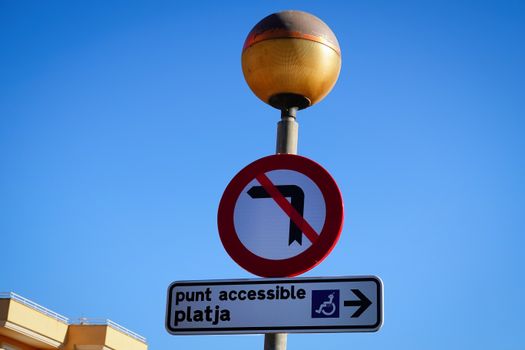 Photo: Joerg Hartmann / Pexels
Essential Gear, Navigation, and Safety: Advanced Driving in Spain with Rental Car Tips
 Photo: RDNE Stock project / Pexels
Top Tips and Common Mistakes to Avoid When Driving a Rental Car in Spain
Comparison
| Feature | Best Practice for Spain | Common Pitfall | Alternative/Consideration |
|---|---|---|---|
| Car Size | Compact (e.g., Seat Ibiza) | Large SUV for city driving | Mid-size for comfort, if avoiding cities |
| Transmission | Automatic (if not proficient in manual) | Expecting readily available automatics last minute | Manual (cheaper, more common) |
| Insurance | Full coverage (zero excess) | Basic CDW with high excess | Independent insurance provider |
| Fuel Policy | Full to Full | Full to Empty (expensive upfront fuel) | Pre-paid fuel (rarely cost-effective) |
| Tolls | Via-T electronic tag | Stopping at every toll booth | Using toll-free N-roads (slower) |
| Navigation | Offline maps on phone + car mount | Relying solely on rental GPS (costly) | Paper map as backup |
| Parking | Underground public garages | Searching for street parking in city centers | Park & Ride facilities |
| Required Items | Reflective vests, warning triangles, IDP | Forgetting mandatory safety gear | Checking with rental company upon pick-up |
What Readers Say
"These driving in Spain with rental car tips were invaluable! We followed the advice on booking a smaller automatic and getting full insurance, which made navigating Barcelona and Seville so much easier. The recommendation for offline maps saved us when signal dropped in the mountains."
Sarah J. · London, UK"Driving through Andalusia was a dream thanks to this guide. The detailed explanation of ZBEs and parking in cities prevented any fines or stress. Definitely read this before your trip, it covers everything you need to know about driving in Spain with rental car tips."
Michael D. · New York, USA"After reading this, I felt completely prepared for my Spanish road trip. The tips on fuel policies and carrying safety gear were spot on. We had a minor fender bender, but thanks to the full insurance advice, it was a completely stress-free experience."
Elena P. · Toronto, Canada"The guide was mostly excellent, especially the insights on Spanish road rules and roundabouts. I found parking in Madrid still a bit tricky even with the tips, but knowing about the underground garages was a huge help. Great resource for driving in Spain with rental car tips overall."
Tom K. · Sydney, Australia"This article was my bible for driving in Spain with a rental car. The advice on booking well in advance and checking the car for damage saved me potential headaches. Highly recommend for anyone planning a self-drive holiday in Spain."
Liam F. · Dublin, IrelandFrequently Asked Questions
Is it difficult to drive in Spain as a foreigner?
Driving in Spain as a foreigner is generally straightforward, especially on major motorways, which are well-maintained and clearly signposted. The main challenges arise in historic city centers with narrow streets and complex parking regulations. Familiarizing yourself with Spanish road rules and having a good navigation system will make your experience much smoother.
Do I need an International Driving Permit (IDP) to drive a rental car in Spain?
If your driver's license was issued in an EU/EEA country, you do not need an IDP. However, if your license is from outside the EU/EEA (e.g., USA, Canada, Australia), an International Driving Permit (IDP) is legally required in Spain. It must always be carried alongside your valid national driver's license.
How do I pay for tolls on Spanish motorways?
Tolls can be paid by cash, credit card, or an electronic toll tag (Via-T or Telepeaje). For convenience, especially if you plan to use toll roads frequently, consider renting a Via-T device from your rental car company. This allows for automatic payment and dedicated lane access.
What is the average cost of renting a car in Spain?
The cost of renting a car in Spain varies widely based on vehicle type, rental duration, season, and booking lead time. A compact car can range from €20-€50 per day in low season, potentially doubling or tripling during peak summer months. Always factor in insurance, fuel, and any extra fees like GPS or additional drivers.
Is it better to drive or use public transport in Spanish cities?
For exploring Spanish cities, public transport (metro, bus, tram) is generally recommended over driving. Cities often have Zonas de Bajas Emisiones (ZBE) restrictions, narrow streets, limited and expensive parking, and complex one-way systems. A rental car is best for inter-city travel and exploring rural areas, while public transport excels for urban exploration.
Who should consider driving in Spain with a rental car?
Driving in Spain with a rental car is ideal for travelers who want flexibility, wish to explore rural areas, visit multiple towns off the main tourist routes, or carry significant luggage. It's perfect for those planning a multi-stop road trip or seeking the freedom to discover Spain at their own pace.
What are the common safety concerns when driving in Spain?
Common safety concerns include aggressive city driving, adherence to strict speed limits (with many cameras), and parking security. Always maintain a safe following distance, be aware of motorbikes, and ensure your car is locked with valuables out of sight. In case of emergency, dial 112.
How is the future of driving in Spain changing?
The future of driving in Spain is moving towards increased environmental consciousness, with more Zonas de Bajas Emisiones (ZBE) expected in more cities. There's also a growing emphasis on electric vehicle infrastructure, though it's still developing. Digitalization of services, including toll payments and parking apps, will continue to enhance the driving experience.
Armed with these driving in Spain with rental car tips, you're now ready to unlock the beauty and diversity of Spain on your terms. From the sun-drenched beaches of the south to the historical wonders of the north, a rental car offers unparalleled freedom. Book your car, plan your route, and embark on an unforgettable Spanish adventure today!