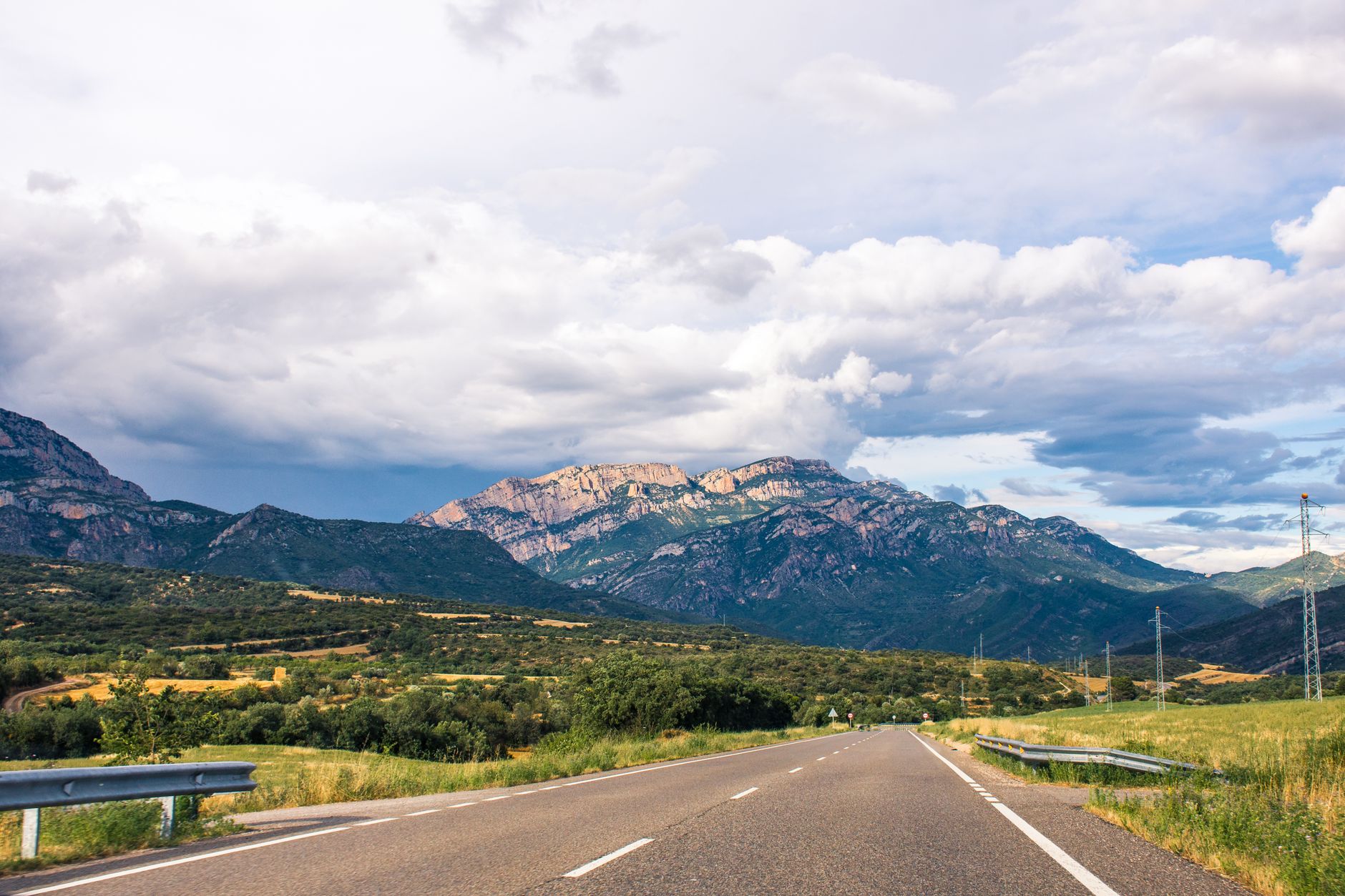
Your Guide to Driving in Spain with Rental Car
driving in Spain with rental car

Your Guide to Driving in Spain with Rental Car

Unlock the freedom of exploring Spain at your own pace with our comprehensive guide to renting and driving a car.

Plan Your Spanish Road Trip

Key Takeaways

  • ✓ Driving is on the right-hand side of the road.
  • ✓ A valid IDP (International Driving Permit) is highly recommended for non-EU drivers.
  • ✓ Speed limits are strictly enforced, often by radar.
  • ✓ Toll roads (autopistas) are common and offer faster travel.
  • ✓ Parking in cities can be challenging and expensive.

How It Works

1
Book Your Rental Car

Research and reserve your vehicle well in advance, especially during peak season. Compare prices and read reviews from various rental agencies.

2
Understand Local Regulations

Familiarize yourself with Spanish traffic laws, speed limits, and required equipment. Knowing the rules prevents fines and ensures safety.

3
Pick Up and Inspect Your Car

Thoroughly inspect the vehicle for any existing damage before driving off. Take photos or videos as proof and ensure all necessary documents are present.

4
Hit the Road Safely

Drive cautiously, adhere to local customs, and use navigation tools. Enjoy the scenic routes and cultural experiences Spain has to offer.

Understanding Spanish Road Rules and Regulations

Embarking on a Spanish road trip offers unparalleled freedom to explore hidden villages, stunning coastlines, and historic cities at your own pace. However, before you hit the open road, it's crucial to familiarize yourself with Spain's unique driving laws and regulations. Unlike some other European countries, Spain has specific rules that, if not followed, can lead to hefty fines or even more serious consequences. Firstly, remember that in Spain, you drive on the right-hand side of the road, and overtaking is done on the left. This is a fundamental rule that might take some getting used to for drivers from left-hand traffic countries. Speed limits are strictly enforced and vary depending on the road type: typically 120 km/h (75 mph) on autopistas (motorways), 90 km/h (56 mph) on conventional roads outside urban areas, and 50 km/h (31 mph) in urban zones, often reduced to 30 km/h (19 mph) or even 20 km/h (12 mph) in specific residential or pedestrian-heavy areas. Pay close attention to signage, as these limits can change frequently. Another critical aspect is documentation. For non-EU citizens, an International Driving Permit (IDP) is not just recommended but legally required alongside your national driving license. EU citizens can simply use their national license. Always carry your driver's license, IDP (if applicable), passport, vehicle registration, and insurance documents with you. Failure to present these can result in immediate fines. Seatbelts are mandatory for all occupants, front and rear, and children under 135cm (4ft 5in) must use an appropriate child restraint system. Mobile phone use while driving is strictly prohibited unless using a hands-free system, and even then, only for quick, essential calls. Texting or browsing is completely forbidden. Spain also has specific requirements for in-car equipment. By law, you must carry two warning triangles (though some rental cars may only provide one), a reflective safety vest (to be worn if you exit the vehicle on the road or hard shoulder), and a spare tire or a tire repair kit. Some rental companies may not include all of these, so it's vital to check at pick-up. Understanding these fundamental rules will not only keep you safe but also ensure a smooth and enjoyable experience when renting a car in Spain. Awareness of these regulations minimizes the risk of unexpected penalties and allows you to focus on the beauty of your journey. Remember, ignorance of the law is not an excuse, especially for visitors.

Navigating Tolls, Fuel, and Parking in Spanish Cities

Once you're acquainted with the basic rules, the practicalities of tolls, fuel, and parking become your next focus when driving in Spain with a rental car. Spain's road network includes both free autovías (marked with 'A' prefixes) and toll autopistas (marked with 'AP' prefixes). Autopistas offer faster, less congested routes, especially for longer distances, but come at a cost. Toll booths typically accept cash, credit cards, and some also have an electronic 'Telepeaje' or 'Via-T' lane. If your rental car comes equipped with a transponder (check with the rental agency), you can use these electronic lanes for seamless passage. Otherwise, stick to lanes marked with cash or card symbols. Planning your route to understand potential toll costs can help manage your budget. Navigation apps like Google Maps or Waze often provide options to avoid tolls, though this might mean longer travel times on less direct roads. Fueling up in Spain is straightforward. Petrol (gasoline) is called 'gasolina' and comes in 'sin plomo 95' (unleaded 95 octane) and 'sin plomo 98' (unleaded 98 octane). Diesel is simply 'diésel' or 'gasóleo'. Most rental cars will be clearly marked with the correct fuel type, often inside the fuel flap. Pay attention to this, as putting the wrong fuel in can cause serious damage and incur significant repair costs. Fuel stations are plentiful, especially on main roads and motorways. Many are self-service, though some full-service pumps still exist, particularly in rural areas. Payment is usually made at a kiosk or directly at the pump with a credit card. Parking in Spanish cities, particularly popular tourist destinations like Barcelona, Madrid, or Seville, can be a challenge. Street parking is often scarce and regulated by colored zones. Blue zones ('zona azul') usually require payment via a meter for a limited time, while green zones ('zona verde') are often reserved for residents, with stricter limits or higher costs for non-residents. White zones ('zona blanca') are free but rare in city centers. Always check local signage carefully. Underground parking garages ('parking subterráneo') are a safer and often more convenient option, though they can be expensive, especially for extended periods. When booking accommodation, consider properties that offer parking. If parking on the street, ensure you're not blocking entrances, driveways, or pedestrian crossings, as illegal parking can result in towing and hefty fines. Being mindful of these practicalities will ensure your journey through Spain is as smooth and stress-free as possible.

Essential Rental Car Insurance and Breakdown Coverage

Securing the right insurance is perhaps the most critical, yet often overlooked, aspect of driving in Spain with a rental car. While the allure of cheap rental rates is strong, skimping on insurance can turn a minor incident into a financial nightmare. By law, all rental cars in Spain must have basic third-party liability insurance (Responsabilidad Civil Obligatoria). This covers damages to other vehicles, property, and injuries to third parties, but it does not cover damage to your rental car or your own injuries. This is where additional insurance options become vital. Most rental companies will offer Collision Damage Waiver (CDW) or Loss Damage Waiver (LDW). CDW significantly reduces your financial liability for damage to the rental car, often to an excess amount (deductible). This excess can still be substantial, ranging from a few hundred to over a thousand euros. To cover this excess, you might be offered Super CDW or Excess Waiver Insurance, which reduces your deductible to zero. This provides complete peace of mind, as even minor scratches can be costly. Be cautious, however, as some policies have exclusions for certain parts like tires, windows, roof, and undercarriage. Read the fine print carefully. Personal Accident Insurance (PAI) covers medical expenses and accidental death for the driver and passengers. If you have comprehensive travel insurance, check if it already provides similar coverage. Theft Protection (TP) is another common add-on, covering the cost of the vehicle if it's stolen. Again, this often comes with an excess. Some credit cards offer car rental insurance as a benefit, but these policies vary greatly. Always confirm the specific coverage details with your credit card provider before relying on it, and understand any limitations, such as vehicle type restrictions or maximum rental periods. You might need to decline the rental company's CDW for your credit card insurance to be valid. Finally, consider breakdown assistance. While most rental cars are new and well-maintained, breakdowns can happen. Standard rental agreements usually include some form of roadside assistance, but confirming the scope of this coverage is wise. Does it include towing, jump-starts, flat tire changes, or a replacement vehicle? Knowing who to call and what to expect in case of an emergency will save you stress and time. Investing in comprehensive insurance and understanding your coverage before you pick up the keys is a small price to pay for a worry-free Spanish adventure. For more general advice on car rental tips, consult our broader guide.

Top Tips and Common Mistakes When Driving a Rental Car in Spain

To ensure your Spanish road trip is memorable for all the right reasons, here are some top tips and common mistakes to avoid: * **Get an IDP (International Driving Permit):** Even if your national license is accepted by the rental company, local police may still require an IDP, especially for non-EU drivers. It's inexpensive and quick to obtain. * **Understand Roundabouts:** Spain has many roundabouts. The general rule is that vehicles already in the roundabout have priority. Indicate clearly when exiting. * **Watch for Pedestrian Crossings:** Pedestrians always have priority at marked crossings, and Spanish drivers are generally very good about stopping. * **Be Wary of ZTLs (Low Emission Zones):** Major cities like Madrid and Barcelona have Zonas de Bajas Emisiones (ZBE) where access is restricted based on vehicle emissions. Rental cars should typically have the correct environmental sticker, but always confirm with the rental company, especially if you plan to drive into city centers. Fines for unauthorized entry are significant. * **Don't Drink and Drive:** Spain has strict drink-driving laws. The legal blood alcohol limit is 0.5 g/l (0.25 mg/l in breath), lower for new drivers. It's best to avoid alcohol entirely if you're driving. * **Avoid Parking Fines:** Always read parking signs carefully. Blue zones require payment, green zones are often for residents, and yellow lines mean no parking at all. Parking illegally is a quick way to get a ticket or have your car towed. * **Return Fuel Policy:** Be aware of your rental company's fuel policy. 'Full-to-full' is generally the most cost-effective, meaning you pick up with a full tank and return it full. Avoid 'full-to-empty' as you often pay a premium for the fuel and don't get refunded for what's left. * **Roadside Assistance Number:** Keep the rental company's roadside assistance number handy, along with your insurance details. * **Be Patient:** Spanish drivers can be assertive, especially in cities. Don't take it personally. Drive defensively and stay calm. * **Check for Damage:** Before leaving the rental lot, meticulously inspect the car for any existing scratches, dents, or damage. Photograph everything and ensure it's noted on your rental agreement. Do the same when returning the car. This prevents being charged for pre-existing damage. By following these tips and avoiding common pitfalls, your experience driving in Spain with a rental car will be safe, enjoyable, and free from unexpected hassles.

Comparison

FeatureRental Car in SpainPublic TransportRide-Sharing/Taxis
Flexibility & FreedomHighMediumMedium
Cost (for groups)Medium-HighLow-MediumHigh
Accessibility to Rural AreasExcellentPoor-MediumPoor
ConvenienceHighMediumHigh (in cities)
Luggage Capacity
Navigation Ease
Local ExperienceHighMediumLow

What Readers Say

"Driving in Spain with a rental car was the best decision for our trip through Andalusia. We loved the freedom to stop in tiny white villages whenever we wanted. Just remember to get the full insurance coverage, it saved us a lot of worry."

Sarah J. · London, UK

"The IDP was essential, and once we got used to the roundabouts, navigating Spain was a breeze. We rented a small economy car, which was perfect for city parking and narrow streets. Highly recommend for exploring beyond the main cities."

Mark D. · New York, USA

"We drove from Barcelona to Valencia and then to Madrid. Having a rental car meant we could visit several coastal towns and even a national park that would have been impossible with public transport. The tolls added up but were worth it for the time saved."

Elena R. · Berlin, Germany

"Renting a car gave us incredible flexibility, but parking in Seville was a nightmare! Definitely pre-book parking if you're staying in a big city. Otherwise, the highways were excellent and the scenery was stunning."

Tom K. · Sydney, Australia

"As a family with young kids, driving in Spain with a rental car was a game-changer. We could pack all our gear, stick to our own schedule, and even take naps in the car. Just make sure your rental includes child seats if you need them!"

Maria P. · Toronto, Canada

Frequently Asked Questions

Do I need an International Driving Permit (IDP) to drive a rental car in Spain?

Yes, if you are a non-EU citizen, an International Driving Permit (IDP) is legally required in Spain alongside your national driving license. EU citizens can use their national license. It's always best to carry both to avoid potential issues with law enforcement.

Is it difficult to drive in Spain, especially in cities?

Driving on Spain's motorways is generally easy, with good road conditions and clear signage. City driving, however, can be challenging due to narrow streets, heavy traffic, and complex parking regulations. Many visitors opt to pick up their rental car outside major city centers to avoid initial urban driving stress.

How do I pay for tolls on Spanish motorways?

Tolls on Spanish autopistas can typically be paid with cash, credit cards (Visa, Mastercard are widely accepted), or via an electronic transponder system called 'Telepeaje' or 'Via-T'. If your rental car has a transponder, you can use the designated lanes. Otherwise, look for lanes marked with 'Manual' or card/cash symbols.

What is the average cost of renting a car in Spain?

The cost of renting a car in Spain varies greatly depending on the season, car type, rental duration, and pick-up location. An economy car might cost €20-€40 per day in the off-season, while a larger vehicle during peak summer could be €50-€100+ per day, not including insurance, fuel, or tolls.

Is driving in Spain with a rental car better than public transport?

Driving a rental car offers unparalleled flexibility and access to rural areas and hidden gems not easily reached by public transport. Public transport is excellent for inter-city travel (trains) and within major cities (metro, buses). The 'better' option depends on your itinerary and travel style; for exploring diverse regions, a rental car is usually superior.

Who should consider driving a rental car in Spain?

Anyone looking to explore Spain beyond its major cities, visit multiple regions, travel with family or a group, or enjoy the freedom of a flexible itinerary should consider driving a rental car. It's ideal for road trips, visiting national parks, or accessing charming small towns.

What are the key safety requirements for a rental car in Spain?

By law, your rental car must carry two warning triangles (though one is often provided), a reflective safety vest for each occupant, and a spare tire or tire repair kit. Always check these items at pick-up. Ensure all occupants wear seatbelts and use appropriate child restraints for children under 135cm.

Are there any future trends impacting driving in Spain with rental cars?

Future trends include the expansion of Low Emission Zones (ZBEs) in more cities, encouraging electric or hybrid vehicle rentals. There's also a growing focus on sustainable tourism, potentially leading to incentives for eco-friendly car choices and increased digital integration for car-sharing and simplified rental processes.

Ready to discover the diverse landscapes and rich culture of Spain at your own pace? Driving in Spain with a rental car offers the ultimate freedom and flexibility. Start planning your unforgettable Spanish road trip today and unlock a world of adventure.

Topics: driving in Spain with rental carSpain car rental tipsSpanish road rulesrental car insurance Spaindriving abroad Spain
Leo List
Brampton weed
Adultwork EstrelaBet Vai de Bet R7 Bet Betão Galera Bet Rainbet Bet9ja Shop SportyBet BetKing Sisal Loto Foot Hollywoodbets YesPlay Odibets RushBet Jugabet BetWarrior BetCity MSport betPawa Fortebet