How to Rent a Car in Spain: Your Ultimate Guide
how to rent a car in Spain

How to Rent a Car in Spain: Your Ultimate Guide

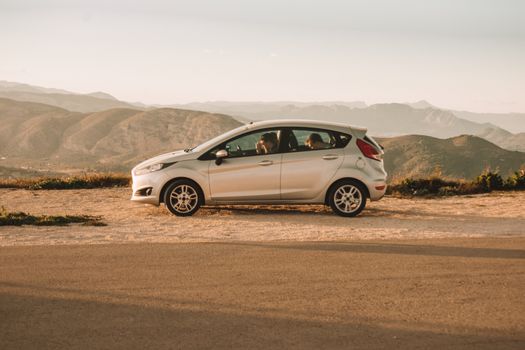
A parked car beside a road with stunning mountainous backdrop in Spain, capturing a serene and picturesque road trip moment.Photo: Bert Christiaens / Pexels

How to Rent a Car in Spain: Your Ultimate Guide

Navigate the process of renting a car in Spain with confidence, ensuring a smooth and enjoyable journey across the Iberian Peninsula.

Start Your Spanish Adventure

Key Takeaways

  • ✓ You need a valid driver's license (from home country), an International Driving Permit (IDP) if your license isn't from an EU/EEA country, and a valid credit card.
  • ✓ The minimum age to rent a car in Spain is typically 21, though some companies require 23 or 25, and surcharges often apply for drivers under 25.
  • ✓ Full comprehensive insurance (Collision Damage Waiver with zero excess) is highly recommended for peace of mind, even if it costs more upfront.
  • ✓ Booking in advance, especially during peak season, secures better rates and vehicle availability.
  • ✓ Always inspect the vehicle thoroughly for existing damage before driving off and document everything with photos or videos.

How It Works

1
Research and Compare Providers

Begin by comparing prices and vehicle options from various rental companies. Utilize comparison websites and check individual company sites for deals.

2
Understand Requirements and Book

Confirm you meet age and license requirements, secure an IDP if needed, and book your car online. Pay attention to fuel policies and insurance options.

3
Pick Up Your Rental Car

At the rental counter, present all necessary documents. Carefully inspect the vehicle for damage, noting any discrepancies on the rental agreement before signing.

4
Enjoy Your Spanish Drive

Familiarize yourself with Spanish driving laws and road signs. Drive safely, adhere to speed limits, and plan your routes to make the most of your trip.

Essential Documentation and Age Requirements for Car Rental in Spain

Black fast automobile driving through barriers on asphalt road against city district with bus routePhoto: Diana ✨ / Pexels
Embarking on a Spanish road trip promises unparalleled freedom and discovery, but before you hit the open road, understanding the necessary documentation and age requirements is paramount. This foundational step ensures a smooth pick-up process and avoids any unwelcome surprises at the rental counter. Firstly, every driver must possess a valid driver's license from their country of residence. This license must be in Latin script. If your license is issued by a country outside the European Union (EU) or European Economic Area (EEA) and is not in Latin script (e.g., Arabic, Chinese, Japanese, Russian), then an International Driving Permit (IDP) is not just recommended, but legally required in Spain. The IDP acts as an official translation of your national license and must always be presented alongside your original license. It's crucial to obtain your IDP before you travel, as they cannot be issued in Spain. Typically, an IDP is valid for one year from its issue date. Beyond your driving credentials, a valid credit card in the main driver's name is universally required for car rental in Spain. This card serves as security for the rental company, covering potential damages, fuel charges, or traffic fines. Debit cards are generally not accepted for the security deposit, though some smaller local companies might make exceptions with very strict conditions. Always double-check the rental company's specific credit card policy when booking. Furthermore, you'll need your passport or a valid identification card as proof of identity. Ensure all documents are current and have not expired. Age requirements are another significant consideration. The standard minimum age to rent a car in Spain is 21 years old. However, this can vary by rental company and even by vehicle category. For more premium or larger vehicles, the minimum age might increase to 23 or even 25. A common practice among rental agencies is to apply a 'young driver' surcharge for renters under the age of 25. This daily fee can add a substantial amount to your total rental cost, so it's essential to factor this into your budget. Some companies may also have a maximum age limit, though this is less common. Always confirm the specific age policies with your chosen rental provider to avoid any discrepancies. Understanding these critical requirements upfront will set the stage for a hassle-free car rental experience, allowing you to focus on the exciting journey ahead. For more general advice on car rental, check out our guide on how to rent a car.

Navigating Car Rental Insurance in Spain: What You Need to Know

Close-up image of an insurance policy with a magnifying glass, money, and toy car.Photo: Vlad Deep / Pexels
Car rental insurance in Spain can often feel like a labyrinth of options, but understanding its nuances is vital for your peace of mind and financial security. While basic third-party liability insurance is legally mandated and usually included in the rental price, it only covers damages to other vehicles or property, not to your rental car or yourself. This is where additional insurance options become crucial. The most common additional insurance is Collision Damage Waiver (CDW) or Loss Damage Waiver (LDW). CDW limits your financial liability for damage to the rental vehicle, but often comes with an 'excess' or 'deductible' – an amount you're responsible for paying before the insurance kicks in. This excess can range from a few hundred to over a thousand Euros, making 'excess insurance' a popular add-on. Excess insurance, sometimes called Super CDW or Zero Excess CDW, reduces your deductible to zero, meaning you wouldn't pay anything out-of-pocket for damages to the rental car. This is highly recommended for ultimate peace of mind, especially when navigating unfamiliar Spanish roads and parking in tight spaces. You can purchase excess insurance directly from the rental company, often at a daily rate, or from independent third-party providers, which can sometimes be more cost-effective. Be sure to compare coverage details, as third-party policies might have different claim procedures or exclusions. Beyond CDW, other optional insurances include Theft Protection (TP), which covers the cost of the vehicle if it's stolen, and Personal Accident Insurance (PAI), which provides coverage for medical expenses and accidental death for the driver and passengers. Some credit cards offer car rental insurance as a benefit, but it's crucial to verify the extent of this coverage. Many credit card policies only cover CDW and often exclude certain vehicle types or regions. Always contact your credit card company directly to understand their specific terms and conditions, including whether they cover the excess in Spain. When picking up your car, rental agents often push additional insurance packages. While some are genuinely beneficial, others might be redundant if you already have coverage through a third-party policy or credit card. Politely decline what you don't need, but never forgo adequate coverage. Read the rental agreement carefully, understand what is and isn't covered, and don't hesitate to ask questions. Investing in comprehensive insurance is not just about protecting the car; it's about safeguarding your travel budget and ensuring a worry-free experience while exploring Spain's beautiful landscapes and vibrant cities.

Booking Your Rental Car: Tips for Best Deals and Vehicle Selection in Spain
Detailed image of car keys on a white surface, including a key fob and keychain.Photo: Brett Jordan / Pexels
Securing the right rental car at the best price in Spain involves strategic planning and understanding the market. The golden rule for cost-efficiency is to book your car in advance, ideally several weeks or even months before your travel dates, especially if you're visiting during peak season (summer, Easter, or major holidays). Last-minute bookings, particularly for popular vehicle types, often come with inflated prices and limited availability. Utilize reputable online comparison websites (e.g., Kayak, Skyscanner, Rentalcars.com) to get an overview of prices from various providers like Avis, Hertz, Europcar, Sixt, Enterprise, and local Spanish companies. Once you have a shortlist, it's often wise to check the individual company websites directly, as they sometimes offer exclusive deals or loyalty program discounts not visible on aggregators. When selecting your vehicle, consider your travel plans. Are you primarily sticking to city driving, or do you plan to explore rural areas, mountain passes, or the narrow streets of historic towns? For urban exploration and navigating tight alleys, a smaller, compact car is often ideal due to easier parking and better fuel efficiency. If you're traveling with family, luggage, or planning longer distances, a larger sedan or an SUV might be more comfortable. Manual transmission (stick shift) cars are still very common in Spain and often cheaper than automatics. If you're not comfortable driving a manual, ensure you specify an automatic transmission when booking, as they are less prevalent and can sell out quickly. Pay close attention to the fuel policy. The most common and often fairest options are 'full-to-full' or 'full-to-empty'. With 'full-to-full,' you pick up the car with a full tank and return it full, only paying for the fuel you use. 'Full-to-empty' means you pay for a full tank upfront and return it empty; however, the upfront fuel cost can be higher than market price, and you won't be refunded for unused fuel. Avoid policies that charge you for a full tank and require you to return it empty without a refund for unused fuel, as this usually results in overpaying. Carefully read the terms and conditions regarding mileage limits, especially if you plan extensive travel. Most rentals offer unlimited mileage, but some budget options might have restrictions. By taking these factors into account, you can effectively book a rental car that meets your needs and budget, ensuring a smooth start to your Spanish adventure. For further details on maximizing your rental experience, consider exploring guides on car rental tips.

Top Tips for Driving and Returning Your Rental Car in Spain

Beautiful view of AP-7 highway near Fuengirola and Málaga, with distant mountains under a blue sky.Photo: ricfer / Pexels
Driving in Spain offers incredible scenic routes, but understanding local driving customs and rules is essential. Always drive on the right-hand side of the road and overtake on the left. Speed limits are generally 120 km/h on motorways (autopistas/autovías), 90 km/h on main roads, and 50 km/h in urban areas, unless otherwise signposted. Pay close attention to roundabouts; traffic already in the roundabout has priority. It's mandatory to carry your driver's license, IDP (if applicable), passport, rental agreement, and car registration documents (usually in the glove compartment) at all times. Children under 135cm must use an appropriate child seat. Using a mobile phone while driving is strictly prohibited unless it's hands-free. Be aware of toll roads (peajes), which are common on many motorways; some accept credit cards, others only cash, and some newer ones are electronic only. Look for 'Via-T' lanes for electronic payment. Parking in Spanish cities can be challenging. 'Blue zones' (zona azul) require payment at a meter for limited periods, usually indicated by blue lines. 'Green zones' (zona verde) are often for residents only or have shorter parking limits at a higher cost. Avoid parking in 'yellow zones' (zona amarilla) which indicate no parking or stopping. Always look for parking signs carefully. When returning your car, ensure you follow the agreed-upon fuel policy. If it's full-to-full, fill up at a petrol station close to the airport or drop-off point. Keep the receipt as proof. Before returning, clean out any personal belongings and remove any trash. Take photos or videos of the car's exterior and interior, including the fuel gauge and odometer, as proof of its condition upon return. This can be invaluable in case of any later disputes about damage or fuel levels. Drop the keys off as instructed by the rental agency. If returning after hours, ensure you understand the key drop-off procedure. A smooth return process ensures you can depart Spain with fond memories, not rental headaches.

Comparison

FeatureBooking Online (Major)Booking Online (Local)Walk-in (Airport)Walk-in (City)
PriceOften BestCompetitiveHighestHigher
Vehicle ChoiceExcellentGoodLimitedLimited
AvailabilityGuaranteedGoodPoor (Peak)Moderate
Insurance OptionsWide RangeStandardLimited/ExpensiveStandard
FlexibilityGood (with fees)ModerateLowModerate

What Our Readers Say

5 ★★★★★

"Renting a car in Spain seemed daunting, but this guide made it incredibly easy. The tips on IDP and credit card requirements saved me a huge headache at the counter. My road trip through Andalusia was fantastic!"

5 ★★★★★

"The advice on booking insurance, especially the zero-excess option, was invaluable. It gave me such peace of mind driving around the winding roads of Mallorca. Highly recommend following this detailed advice."

5 ★★★★★

"Thanks to this guide, I knew exactly what documents to prepare and how to navigate the fuel policy. I got a great deal on a compact car for my solo adventure through the Spanish countryside and saved money on fuel!"

4 ★★★★☆

"As a local, I still found the section on driving tips and parking zones very helpful. While I usually know the rules, the specific advice on toll roads was a good refresher for my trip to the north."

5 ★★★★★

"My husband and I rented a car for our honeymoon in Spain, and this article was our go-to resource. From choosing the right car size to understanding young driver surcharges, it covered everything. Our trip was flawless!"

Frequently Asked Questions

Do I need an International Driving Permit (IDP) to rent a car in Spain?
Yes, if your driver's license is not from an EU/EEA country and is not in Latin script, an IDP is legally required in Spain. It serves as an official translation of your national license and must always be presented alongside your original license. Obtain it before your trip, as it cannot be issued in Spain.
What is the minimum age to rent a car in Spain?
The standard minimum age is 21 years old. However, some rental companies may require drivers to be 23 or 25 for certain vehicle categories. A 'young driver' surcharge often applies for renters under 25, which can add to the total cost.
How do I choose the right insurance for my rental car in Spain?
Beyond the basic third-party liability (which is included), consider Collision Damage Waiver (CDW) with zero excess for comprehensive coverage. You can purchase this from the rental company or a third-party provider. Always check if your credit card offers any car rental insurance benefits, but verify their specific coverage in Spain.
Is it cheaper to rent a car at the airport or in the city in Spain?
While airport locations offer convenience, they often come with higher surcharges and taxes, making them generally more expensive. Renting from a downtown city location can sometimes be cheaper, but factor in the cost and time of getting to the city office from the airport.
What should I do when picking up and returning my rental car?
Upon pick-up, thoroughly inspect the vehicle for existing damage and ensure it's noted on the agreement. Take photos or videos as proof. When returning, ensure the fuel tank matches the policy (e.g., full-to-full), remove all personal belongings, and take photos/videos of the car's condition to prevent disputes.
Who should rent a car in Spain?
Anyone planning to explore beyond major city centers, visit multiple regions, or enjoy the freedom of spontaneous travel will benefit immensely from renting a car in Spain. It's ideal for road trips, family vacations, or those seeking to discover hidden gems off the beaten path.
Are Spanish roads safe for tourists to drive on?
Yes, Spanish roads are generally well-maintained and safe. Motorways are excellent, and even rural roads are usually in good condition. Like any country, familiarity with local driving laws and customs, along with defensive driving, will ensure a safe experience.
Will electric vehicle (EV) rentals become more common in Spain?
The trend towards EV adoption is growing in Spain, with an increasing number of charging stations and a push for sustainable tourism. While still less common than petrol/diesel cars, EV rentals are expected to become more prevalent and accessible in major cities and tourist regions in the coming years.

Now that you're equipped with all the essential knowledge on how to rent a car in Spain, your ultimate Spanish road trip awaits. Book your vehicle, prepare your documents, and get ready to create unforgettable memories navigating the diverse and beautiful landscapes of Spain with confidence and ease.

Topics: how to rent a car in Spaincar rental Spain requirementsdriving in Spain tipsSpain car hire insurancebest car rental companies Spain
Leo List
Brampton weed
Adultwork