O-Type Blood: Strengths and Weaknesses Unveiled
June 26, 2026 15 min read 2,925 words
Discover the unique biological advantages and potential health considerations linked to O-Type blood.
Learn More
The Universal Donor Advantage: Exploring O-Type Blood's Strengths
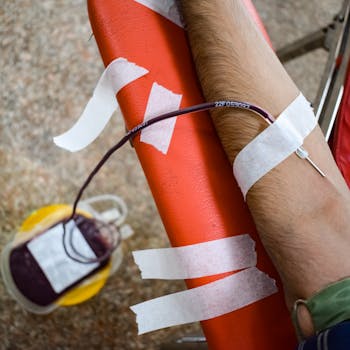 Photo: Rahul Sapra / Pexels
O-Type blood, specifically O-negative, holds a unique and profoundly vital position in the medical world: it is the universal donor. This means that individuals with O-negative blood can donate their red blood cells to patients of any blood type without causing a severe immune reaction. This incredible strength makes O-negative blood indispensable in emergency situations, accidents, and surgeries where there's no time to cross-match blood types. Imagine a critical moment in an accident where every second counts; O-negative blood can be immediately administered, often being the difference between life and death. The absence of A and B antigens on the surface of O-type red blood cells is the biological reason for this universal compatibility. When transfused, these red blood cells are not recognized as foreign by the recipient's immune system, making them safe for a wide range of patients. This characteristic is not just a medical convenience; it's a constant call to action for O-negative individuals to donate blood regularly, as their contribution directly impacts the survival rates of others. Beyond its universal donor status, O-Type blood has been linked to several other potential health strengths. Studies suggest that individuals with O-Type blood may have a lower risk of developing certain cardiovascular diseases, including coronary artery disease and heart attacks. While the exact mechanisms are still under extensive research, it's believed that the absence of A and B antigens might play a role in reducing inflammation or affecting blood clotting factors in a beneficial way. Furthermore, some research indicates a lower risk of certain types of cancer, such as pancreatic cancer, in individuals with O-Type blood compared to those with A, B, or AB types. These potential protective effects are fascinating areas of ongoing scientific inquiry, offering glimpses into how our blood type might influence our long-term health trajectory. The robust digestive system often attributed to O-Type individuals is another notable strength. It's theorized that O-Type individuals tend to have higher levels of stomach acid, which can be advantageous for digesting proteins and absorbing nutrients more efficiently. This might be a remnant of ancestral diets, which were likely rich in meat and required strong digestive capabilities. While not a universally accepted dietary prescription, some proponents of blood type diets suggest that O-Type individuals thrive on protein-rich diets, harking back to hunter-gatherer lifestyles. However, it's crucial to approach dietary recommendations based solely on blood type with caution and always consult with a healthcare professional or a registered dietitian. The resilience and adaptability often associated with O-Type individuals, both medically and anecdotally, paint a picture of a blood type with significant advantages, particularly in its life-saving role as a universal donor.
For more on emergency preparedness, consider reliable car rental options for quick travel.
Navigating the Challenges: Understanding O-Type Blood's Weaknesses
While O-Type blood boasts remarkable strengths, it also comes with certain predispositions that can be considered weaknesses or areas requiring greater awareness. One of the most frequently cited vulnerabilities for O-Type individuals is an increased susceptibility to specific infections, most notably Helicobacter pylori (H. pylori). This bacterium is a common cause of stomach ulcers and can contribute to gastritis and, in some cases, stomach cancer. Research suggests that O-Type individuals are more likely to contract H. pylori and experience more severe symptoms compared to other blood types. The reasons for this increased vulnerability are thought to be related to the specific carbohydrate structures on the surface of O-type cells, which H. pylori might use as attachment sites. This predisposition underscores the importance of good hygiene and a balanced diet for O-Type individuals to maintain gut health. Another area of concern for O-Type individuals revolves around their potential for higher rates of certain types of ulcers, both gastric and duodenal. This is often linked to the aforementioned H. pylori susceptibility and potentially higher stomach acid levels. While higher stomach acid can be beneficial for protein digestion, it can also contribute to the erosion of the stomach or duodenal lining when combined with other factors like stress, diet, or bacterial infection. Therefore, O-Type individuals might need to be more mindful of their digestive health, paying attention to symptoms of acid reflux, indigestion, or stomach discomfort and seeking medical advice when necessary. Furthermore, some studies have indicated a potential link between O-Type blood and an increased risk of blood clotting disorders, particularly venous thromboembolism (VTE), which includes deep vein thrombosis (DVT) and pulmonary embolism (PE). While this might seem contradictory to the lower risk of cardiovascular disease mentioned earlier, it highlights the complex interplay of various factors in blood health. The mechanisms are still being investigated, but it's believed that differences in certain clotting factors, such as von Willebrand factor and factor VIII, which are often lower in O-Type individuals, could play a role in both the perceived strengths and weaknesses. It's important to note that these are statistical predispositions and not guarantees; many factors contribute to an individual's overall risk. O-Type individuals might also experience a slightly higher risk of developing thyroid disorders, specifically hypothyroidism, and adrenal insufficiency. While the evidence for this is less conclusive than for H. pylori or ulcer risk, it's an area of ongoing research. The proposed connection often relates to the body's stress response and hormonal regulation, suggesting that O-Type individuals might be more susceptible to the effects of chronic stress on their endocrine system. Maintaining a healthy lifestyle, managing stress effectively, and undergoing regular check-ups can be particularly beneficial for O-Type individuals to monitor and mitigate these potential risks. It's crucial for O-Type individuals to be informed about these potential weaknesses, not to induce anxiety, but to empower them to make proactive health choices and engage in informed discussions with their healthcare providers. Understanding these predispositions allows for targeted preventative measures and early detection, turning potential weaknesses into manageable health considerations. Awareness is the first step towards better health management for O-Type individuals, enabling them to leverage their strengths while mitigating their vulnerabilities.
For more options, check out mintj.org.
The Blood Type Diet for O-Type: Fact or Fiction?
The concept of a 'blood type diet,' popularized by Dr. Peter D'Adamo, suggests that individuals should eat according to their specific blood group to optimize health and prevent disease. For O-Type individuals, the proposed diet often emphasizes a high-protein intake, similar to a hunter-gatherer or paleo-style approach, with a focus on lean meats, poultry, fish, and certain vegetables. It typically recommends limiting or avoiding grains, legumes, and dairy products, which are believed to be less compatible with the O-Type digestive system due to specific lectins (proteins that bind to carbohydrates). The theory posits that these incompatible foods can cause agglutination (clumping) of blood cells and lead to various health problems, including inflammation, weight gain, and chronic diseases. Proponents argue that O-Type individuals, with their purportedly higher stomach acid and robust digestive enzymes, are better equipped to break down and utilize animal proteins, reflecting an ancient dietary pattern. They suggest that adhering to this diet can lead to improved energy levels, weight loss, and reduced risk of certain health conditions. However, the scientific community largely regards the blood type diet as lacking robust scientific evidence. Numerous systematic reviews and studies have investigated the claims made by D'Adamo, and the overwhelming consensus is that there is insufficient scientific proof to support the efficacy or even the biological plausibility of the blood type diet. While some individuals report feeling better on such diets, critics argue that any positive effects are likely due to the general principles of eating whole, unprocessed foods and reducing refined sugars and unhealthy fats, rather than a specific interaction with blood type. Many of the dietary restrictions advocated in the O-Type diet, such as avoiding whole grains and legumes, are contrary to widely accepted nutritional guidelines that promote their consumption for fiber, vitamins, and minerals. Eliminating entire food groups without a clear medical necessity can lead to nutritional deficiencies and may not be sustainable long-term. For example, legumes are a vital source of plant-based protein and fiber, and whole grains offer significant cardiovascular benefits. The idea that lectins from specific foods are universally harmful to one blood type but not another is also highly debated and lacks consistent scientific backing. Most lectins are destroyed by cooking or are not absorbed in significant amounts in the gut. While some specific lectins can be problematic, these are generally not the ones found in commonly consumed, properly prepared foods. Instead of focusing on a restrictive diet based solely on blood type, a more evidence-based approach to nutrition emphasizes a balanced diet rich in fruits, vegetables, lean proteins, and whole grains, tailored to individual needs, preferences, and health conditions. Consulting with a registered dietitian or a healthcare provider is always recommended before making significant dietary changes. While the historical or ancestral link might be compelling, modern nutritional science prioritizes broad dietary diversity and individual metabolic responses over a one-size-fits-all blood type approach.
Explore flexible car rental options for diverse dietary needs during travel.
Living Well with O-Type Blood: Tips for Optimal Health
Understanding the unique characteristics of O-Type blood can empower individuals to make informed lifestyle choices that optimize their health and mitigate potential weaknesses. Here are several practical tips for O-Type individuals seeking to live their healthiest lives:
* **Prioritize Digestive Health:** Given the increased susceptibility to H. pylori and ulcers, O-Type individuals should be particularly vigilant about their gut health. Focus on a diet rich in probiotic foods like yogurt, kefir, and fermented vegetables to support a healthy gut microbiome. Consider incorporating prebiotics, found in foods like garlic, onions, and bananas, to feed beneficial gut bacteria. Avoid excessive intake of highly processed foods, sugary drinks, and artificial sweeteners, which can disrupt gut balance. If you experience persistent indigestion, acid reflux, or stomach pain, consult a doctor for diagnosis and treatment.
* **Manage Stress Effectively:** The potential link between O-Type blood and adrenal/thyroid issues suggests that stress management is paramount. Chronic stress can negatively impact hormonal balance and overall well-being. Incorporate stress-reducing activities into your daily routine, such as meditation, yoga, deep breathing exercises, spending time in nature, or engaging in hobbies you enjoy. Adequate sleep is also a critical component of stress management and overall health.
* **Maintain an Active Lifestyle:** Regular physical activity is beneficial for everyone, but for O-Type individuals, it can contribute to cardiovascular health, help manage weight, and support a robust immune system. Aim for a combination of cardiovascular exercise (like brisk walking, jogging, or swimming) and strength training. Listen to your body and find activities that you genuinely enjoy to ensure long-term adherence.
* **Embrace a Balanced, Nutrient-Dense Diet:** While the blood type diet remains controversial, focusing on a whole-food, nutrient-dense diet is universally recommended. For O-Type individuals, this might naturally lean towards adequate protein intake, but it should also include a wide variety of fruits, vegetables, healthy fats, and complex carbohydrates. Avoid restrictive diets unless medically necessary and always consult with a healthcare professional or registered dietitian to create a personalized nutrition plan that meets your individual needs and health goals.
* **Consider Regular Blood Donation (O-Negative):** If you are O-negative, remember your invaluable status as a universal donor. Regular blood donations not only save lives but can also offer potential health benefits for the donor, such as maintaining healthy iron levels. Check with your local blood bank for eligibility requirements and donation schedules.
* **Regular Health Check-ups:** Proactive healthcare is essential. Regular visits to your doctor for routine check-ups, blood tests, and screenings can help detect potential health issues early, allowing for timely intervention and management. Discuss your blood type with your doctor and ask if there are any specific screenings or preventative measures they recommend based on your individual health profile and family history.
By adopting these practical tips, O-Type individuals can leverage their inherent strengths and proactively address potential vulnerabilities, paving the way for a healthier and more vibrant life. Remember, genetic predispositions are just one piece of the health puzzle; lifestyle choices play a significant and often more controllable role in overall well-being.
