✓ Most foreign licenses require an International Driving Permit (IDP) or official translation.
✓ EU/EEA licenses are valid without an IDP.
✓ Minimum driving age is 18, but car rental age can be higher.
✓ Always carry your physical license, IDP (if applicable), and passport/ID.
How It Works
1
Assess Your Current License
Determine if your existing driving license is from an EU/EEA country or a non-EU/EEA country. This initial check dictates subsequent requirements.
2
Obtain Necessary Documentation
If required, apply for an International Driving Permit (IDP) in your home country before departure. Ensure it's valid for the entire duration of your stay in Spain.
3
Understand Rental Company Policies
Even with a valid license, car rental companies may have additional age or experience requirements. Confirm these before booking your vehicle.
4
Carry All Documents While Driving
Always have your original driving license, IDP (if needed), passport/ID, and car rental agreement readily accessible. Spanish authorities conduct routine checks.
Understanding Spain Driving License Requirements for Tourists
Photo: SHOX ART / Pexels
Embarking on a Spanish road trip promises breathtaking landscapes, historic cities, and vibrant culture. However, before you hit the open road, understanding the specific Spain driving license requirements is paramount. This foundational knowledge ensures not only compliance with local laws but also a smooth and stress-free car rental experience. For visitors hailing from countries within the European Union (EU) or the European Economic Area (EEA), the process is remarkably straightforward. Your national driving license is generally sufficient for driving in Spain, provided it is valid and unexpired. This convenience extends to licenses issued by countries like Germany, France, Italy, and Sweden, allowing for seamless transition from your home country's roads to Spain's. There's no need for an International Driving Permit (IDP) if your license is from an EU/EEA member state, making planning considerably easier for these travelers. The key is to ensure your physical license is always with you when operating a vehicle.
However, for travelers from non-EU/EEA countries, the situation requires a bit more preparation. The most common requirement is an International Driving Permit (IDP). An IDP is essentially a multi-language translation of your national driving license, recognized by over 150 countries worldwide, including Spain. It's not a standalone license; rather, it must always be presented alongside your valid national driving license. Obtaining an IDP is a relatively simple process, typically handled by your national automobile association or a government-authorized agency in your home country. It's crucial to apply for your IDP before you leave for Spain, as they cannot be issued once you are abroad. The IDP usually has a validity period, often one year, so ensure it covers your entire stay. This document is a critical component for legal driving for most non-EU/EEA citizens and will be requested by both car rental agencies and law enforcement officials. Without it, you risk fines and potential issues with your car rental agreement. Furthermore, some countries have specific bilateral agreements with Spain that might exempt their citizens from needing an IDP, but these are less common and it's always best to verify with the Spanish DGT (Dirección General de Tráfico) or your local embassy. Always err on the side of caution and secure an IDP if you are unsure, as it provides an undeniable layer of legal protection. It’s important to remember that even with an IDP, your original national license must always be carried and presented upon request. The combination of both documents proves your eligibility to drive in Spain, reflecting both your driving privileges and their official translation into internationally recognized formats. This dual requirement is standard practice to ensure clarity and validity across different legal systems and languages, facilitating smoother interactions with Spanish authorities and rental providers.
Essential Documents for Car Rental in Spain
Photo: RDNE Stock project / Pexels
Beyond just the Spain driving license requirements, securing a car rental in Spain involves presenting a specific set of documents to the rental agency. Being prepared with all necessary paperwork will expedite the pick-up process and prevent any last-minute complications. Firstly, your valid national driving license is non-negotiable. This is the primary document proving your legal right to operate a vehicle. As discussed, if you're from a non-EU/EEA country, your International Driving Permit (IDP) must accompany your national license. Rental agencies are strict about this requirement, and failure to produce a valid IDP when necessary will result in denial of the rental car, even if you have a confirmed booking. It's not just about legality on the road; it's also a contractual obligation for the rental company to ensure their vehicles are driven by properly licensed individuals.
Secondly, a valid passport or national identity card is essential. This serves as your primary form of identification and is required for all international travelers. Ensure your passport is not expired and has sufficient validity remaining for your stay in Spain. The details on your passport should match those on your driving license to avoid any discrepancies. Many rental companies also require a credit card in the main driver's name. This credit card is used for the security deposit, which covers potential damages, fuel charges, or traffic fines. Debit cards are generally not accepted for the security deposit, so ensure you have a major credit card with sufficient credit limit available. The name on the credit card must match the name of the primary driver listed on the rental agreement. Some agencies may also ask for a second form of identification or proof of address, though this is less common for short-term tourist rentals.
Finally, it's always advisable to have a copy of your car rental reservation or voucher. While most agencies have digital records, having a physical or digital copy readily accessible can speed up the check-in process. This document contains crucial information such as your booking reference, vehicle type, pick-up and drop-off times, and any pre-paid services. It's also wise to print out or save a digital copy of your car insurance details, whether it's through the rental company, your personal policy, or your credit card. While basic third-party liability insurance is mandatory and typically included in your rental, understanding any additional coverage you’ve purchased is important. Always review the terms and conditions of your rental agreement thoroughly before signing, paying close attention to fuel policies, mileage limits, and any additional driver fees. Being meticulously prepared with all these documents ensures a smooth and efficient car rental experience, allowing you to focus on enjoying your Spanish journey rather than logistical hurdles.
Navigating Specific Driving Laws and Age Restrictions in Spain
Photo: Matias Mango / Pexels
Beyond merely possessing the correct Spain driving license requirements, understanding Spain's specific driving laws and age restrictions is crucial for a safe and compliant journey. While the minimum legal driving age in Spain is 18 years old, car rental companies often impose higher age restrictions. Most rental agencies require drivers to be at least 21 years old. Furthermore, many companies apply a 'young driver' surcharge for individuals under 25, reflecting the higher insurance risk associated with less experienced drivers. This surcharge can significantly impact the overall cost of your rental, so it's essential to factor it into your budget and check with the rental company beforehand. Some luxury or high-performance vehicles may even have a minimum age requirement of 25 or even 30 years old, irrespective of the driver's experience. Always confirm these age policies directly with your chosen car rental provider when booking.
Spanish road regulations are generally similar to those in other European countries, but some key differences and strict enforcements warrant attention. Driving is on the right-hand side of the road, and overtaking is done on the left. Seatbelts are mandatory for all occupants, both in the front and rear seats, and fines for non-compliance are significant. Mobile phone use while driving is strictly prohibited unless using a hands-free system; holding a phone, even at a stoplight, can result in a hefty fine and points on a Spanish license (though this primarily affects residents). Speed limits are rigorously enforced, often by automated cameras. Typical limits are 120 km/h on motorways (autopistas), 90 km/h on conventional roads, and 50 km/h in urban areas, though these can vary and are always indicated by road signs. Pay close attention to signage, especially around towns and villages, where limits can drop quickly.
Alcohol limits are also stringent. The legal blood alcohol content (BAC) limit for experienced drivers is 0.5 grams per liter, but for new drivers (those with less than two years of experience) and professional drivers, it's a lower 0.3 g/l. It's always safest to avoid alcohol entirely if you plan to drive. Other important regulations include carrying a reflective vest (for each occupant) and two warning triangles in the vehicle; rental cars typically provide these, but it's wise to double-check. Headlights must be used in tunnels and in conditions of poor visibility. Children under 135 cm (approximately 4 feet 5 inches) must use an appropriate child restraint system suitable for their height and weight, and they are generally not permitted to travel in the front passenger seat unless the rear seats are already occupied by other children or are otherwise unavailable. Understanding and adhering to these specific laws will ensure a safe and enjoyable driving experience throughout your Spanish adventure.
Common Mistakes and Practical Tips for Driving in Spain
Photo: ricfer / Pexels
To ensure a seamless driving experience in Spain, it's as important to know what to avoid as it is to know what to do. One of the most common mistakes visitors make is failing to obtain an International Driving Permit (IDP) when required. Many non-EU/EEA drivers assume their national license is sufficient, only to face issues at the rental counter or with law enforcement. Always secure your IDP in advance. Another frequent oversight is not understanding the distinction between the minimum driving age and the minimum car rental age. While you might be legally old enough to drive at 18, most rental companies won't rent to anyone under 21, and often apply significant surcharges for drivers under 25. This can lead to unexpected costs or even denial of service upon arrival.
Ignoring parking regulations is another pitfall. Spanish cities have complex parking rules, often indicated by colored lines: blue zones (Zona Azul) usually require payment at a meter for limited periods, green zones (Zona Verde) are often for residents with permits, and yellow or red lines typically mean no parking at all. Parking fines can be substantial and vehicles may be towed. Always look for signs and follow local instructions to avoid penalties. Furthermore, many drivers forget to carry all necessary documents. It's not enough to just have your license; your IDP (if applicable), passport/ID, car rental agreement, and proof of insurance should always be in the vehicle with you. Police checks are common, and missing documents can lead to delays and fines. Lastly, failing to familiarize yourself with Spanish road signs and speed limits can lead to dangerous situations and fines. Pay particular attention to roundabouts, which are prevalent and require yielding to traffic already in the circle.
**Practical Tips for a Smooth Journey:**
* **Book Your Rental Car in Advance:** Especially during peak season, booking early ensures better rates and vehicle availability. Specify any additional requirements like GPS or child seats.
* **Understand Fuel Policies:** Most rentals come with a 'full-to-full' fuel policy. Ensure you return the car with a full tank to avoid excessive refueling charges.
* **Inspect the Vehicle Thoroughly:** Before driving away, document any existing scratches or damage with photos or video. This protects you from being charged for pre-existing issues.
* **Consider Toll Roads:** Spain has a network of excellent toll roads (autopistas de peaje) that can save time, especially on long journeys. Be prepared with cash or a credit card, or inquire about electronic toll devices (Via-T) from your rental company.
* **Be Aware of ZBEs (Low Emission Zones):** Major cities like Madrid and Barcelona have Low Emission Zones. Ensure your rental car complies, or plan your routes to avoid them, as fines apply to non-compliant vehicles.
* **Learn Basic Spanish Road Vocabulary:** Knowing terms like 'Salida' (Exit), 'Desvío' (Detour), 'Peaje' (Toll), and 'Gasolinera' (Gas Station) can be incredibly helpful.
* **Stay Hydrated and Take Breaks:** Spain can get very hot, especially in summer. Keep water in the car and take regular breaks to avoid fatigue, particularly on long drives. Enjoy the journey responsibly!
Comparison
Requirement
EU/EEA Citizens
USA/Canada Citizens
UK Citizens (Post-Brexit)
Australia/NZ Citizens
National License
✓ (Valid)
✓ (Valid)
✓ (Valid)
✓ (Valid)
International Driving Permit (IDP)
✗ (Not Required)
✓ (Required)
✓ (Required)
✓ (Required)
Passport/ID Card
✓ (ID Card or Passport)
✓ (Passport)
✓ (Passport)
✓ (Passport)
Minimum Rental Age
18 (Often 21+ for rental)
18 (Often 21+ for rental)
18 (Often 21+ for rental)
18 (Often 21+ for rental)
What Readers Say
★★★★★
"As an Irish citizen, driving in Spain was incredibly easy. My EU license was all I needed, and the rental process was smooth. Knowing the Spain driving license requirements beforehand saved me any hassle."
Liam O'Connell · Dublin, Ireland
★★★★★
"I made sure to get my IDP before leaving Canada. When I picked up my car in Seville, they asked for both my Canadian license and the IDP. It was a straightforward process, thanks to being prepared for Spain driving license requirements."
Sarah Chen · Toronto, Canada
★★★★★
"The guide on Spain driving license requirements was a lifesaver. I got my IDP, had my passport ready, and the car rental agency had no issues. Drove all over Andalusia without a hitch!"
Mark Johnson · New York, USA
★★★★★
"Post-Brexit, I was a bit confused, but this article clarified I needed an IDP. It added an extra step, but securing it beforehand meant no problems at the rental desk. Just remember to apply for it well in advance."
Eleanor Vance · Manchester, UK
★★★★★
"Even though I live in Mexico, the advice about needing an IDP for non-EU licenses was spot on. I traveled through Spain with my family, and having the correct documents made renting and driving completely stress-free. Highly recommend checking these Spain driving license requirements."
Carlos Rodriguez · Mexico City, Mexico
Frequently Asked Questions
Do I need an International Driving Permit (IDP) to drive in Spain?
If your driving license was issued by an EU/EEA country, you generally do not need an IDP. However, if your license is from a non-EU/EEA country (e.g., USA, Canada, UK post-Brexit, Australia), an IDP is required and must be carried alongside your valid national driving license. It serves as an official translation of your license.
Can I rent a car in Spain if I'm under 25?
Yes, you can typically rent a car in Spain if you are under 25, provided you meet the minimum age requirement (usually 21). However, most car rental companies will apply a 'young driver' surcharge for drivers under 25, which can add a significant cost to your rental. It's best to check with the specific rental agency beforehand.
How do I get an International Driving Permit (IDP)?
You must obtain an IDP in your home country before traveling to Spain. In the USA, it's issued by the AAA (American Automobile Association) or AATA (American Automobile Touring Alliance). In the UK, it's issued by the Post Office. Check with your national automobile association or equivalent authority for specific instructions and application forms.
What happens if I drive in Spain without the correct license or IDP?
Driving without the required documentation in Spain can lead to significant fines, potential confiscation of the vehicle, and issues with your car rental insurance. If you're involved in an accident, your insurance might be invalidated. Always ensure you comply with all Spain driving license requirements to avoid legal complications.
Is my UK driving license valid in Spain after Brexit?
As of current regulations, UK driving license holders driving in Spain for short visits (up to six months) generally need an International Driving Permit (IDP) alongside their UK license. There are different types of IDPs, so ensure you get the correct one (1968 convention IDP) for Spain. Always check the latest UK government guidance before travel, as rules can change.
Who should be most concerned about Spain driving license requirements?
Travelers from non-EU/EEA countries should be most concerned about understanding and fulfilling Spain driving license requirements, particularly regarding the need for an International Driving Permit. Additionally, young drivers (under 25) should pay close attention to potential age restrictions and surcharges from car rental agencies.
Are there any safety risks related to not having the right driving documents?
Yes, significant safety and legal risks exist. Without the correct Spain driving license requirements fulfilled, you could be driving illegally, leading to fines, vehicle impoundment, and even criminal charges in severe cases. Furthermore, your car rental insurance may be void, leaving you personally liable for damages in an accident.
Will Spain's driving license requirements change in the near future?
While the core Spain driving license requirements for tourists have been relatively stable, post-Brexit rules for UK citizens highlight that regulations can evolve. It's always advisable to check the official DGT (Dirección General de Tráfico) website or your country's foreign travel advice closer to your travel date for the most up-to-date information, especially concerning international agreements.
Don't let confusion about Spain driving license requirements hinder your dream Spanish adventure. Arm yourself with the right knowledge and documents, and hit the road with confidence. Start planning your unforgettable journey through Spain today, knowing you're fully prepared for every turn.

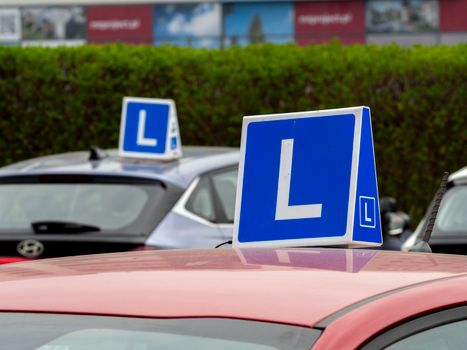 Photo: SHOX ART / Pexels
 Photo: RDNE Stock project / Pexels
 Photo: Matias Mango / Pexels
 Photo: ricfer / Pexels