
Your Ultimate Guide to Van Rental Spain for Moving
van rental Spain for moving

Your Ultimate Guide to Van Rental Spain for Moving

Navigate your Spanish relocation with ease and confidence by choosing the right moving van.

Find Your Moving Van Now

Key Takeaways

  • ✓ Driving license requirements in Spain (B, C1, etc.) dictate van size.
  • ✓ One-way rentals are often available for inter-city moves but can be pricier.
  • ✓ Insurance options (CDW, TP, PAI) are crucial for peace of mind.
  • ✓ Booking in advance, especially during peak seasons, secures better rates and availability.

How It Works

1
Assess Your Moving Needs

Determine the volume of items you need to move and the distance. This will help you choose the appropriate van size and rental duration.

2
Compare Rental Providers

Research various companies offering van rental in Spain, checking their fleet, prices, insurance options, and pickup/drop-off locations. Look for reviews specific to moving.

3
Book Your Van

Once you've selected a provider and van, book it online or by phone. Ensure you understand the terms, conditions, and any additional fees before confirming.

4
Collect and Move

On the day, inspect the van thoroughly for existing damage before driving off. Load your belongings carefully and drive safely to your new Spanish home.

Choosing the Right Moving Van in Spain: Sizes and Types

Courier loading cardboard boxes into a delivery van outside a warehouse. Photo: Tima Miroshnichenko / Pexels
Embarking on a move, whether across town or across Spain, requires careful planning, and at the heart of that plan is selecting the perfect vehicle. When considering van rental Spain for moving, understanding the different sizes and types available is paramount. You wouldn't use a bicycle to move a wardrobe, nor would you rent a colossal lorry for a few boxes. The key is matching the van's capacity to your specific moving requirements, ensuring efficiency and cost-effectiveness. Starting with smaller options, you'll often find compact cargo vans, similar in size to a large car or small SUV. These are ideal for studio apartment moves, transporting a few large pieces of furniture, or for students relocating. They're easy to drive, park, and navigate through Spain's often narrow city streets. Their fuel efficiency is also a significant advantage, keeping your moving costs down. However, their limited space means multiple trips might be necessary for larger loads, which could negate the initial savings. Next up are the medium-sized panel vans, often referred to as 'Luton vans' or similar, though the term 'Luton' specifically refers to a box body over the cab. These are the workhorses of many moving operations. They offer a considerable increase in cargo space compared to compact vans, making them suitable for one-bedroom apartments or smaller two-bedroom homes. Many come equipped with tie-down points and sometimes even a tail lift, which is an invaluable feature for heavy items like washing machines, refrigerators, or substantial furniture. The tail lift, in particular, can save you immense physical effort and potentially prevent injuries. Driving a medium-sized van is still manageable for most drivers with a standard B license, but their increased length and height require a bit more attention, especially when maneuvering in tight spots or through low clearances. For larger moves, such as two or three-bedroom houses, or when transporting bulky, irregular items, you'll need a large cargo van or a small truck. These vehicles boast expansive cargo areas, often capable of accommodating the contents of an entire small home in one go. While they offer maximum capacity, they also present a greater challenge in terms of driving. They are less agile, consume more fuel, and require more space for parking and turning. Furthermore, depending on their Gross Vehicle Weight (GVW), you might need a specific driving license (e.g., C1 in Spain) beyond the standard B license. Always check the GVW and associated license requirements before booking, as penalties for driving without the correct license can be severe. Beyond size, consider features like air conditioning, automatic transmission (less common in commercial vans in Spain but worth seeking if preferred), and the condition of the cargo area. A clean, well-maintained cargo area with functioning tie-downs is essential for protecting your belongings. Some rental companies also offer vans with specialist features, such as refrigeration for temperature-sensitive items, though these are less common for general household moves. Thinking through these aspects before committing to a rental will ensure your moving day in Spain is as smooth and stress-free as possible.

Understanding Rental Costs and Hidden Fees for Moving Vans in Spain
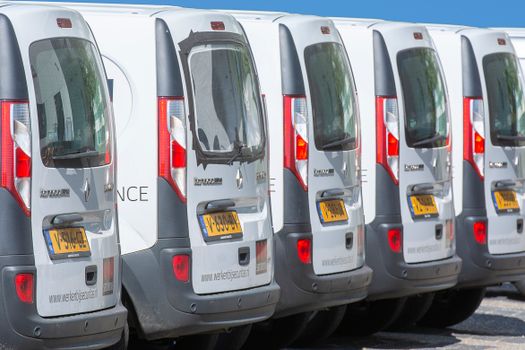
A row of white delivery vans parked outdoors, showcasing uniformity and logistics. Photo: Jan van der Wolf / Pexels
When planning your move and budgeting for van rental Spain for moving, it's crucial to look beyond the headline daily rate. The true cost of renting a moving van can accumulate quickly if you're not aware of potential hidden fees and additional charges. A thorough understanding of the pricing structure will help you avoid unwelcome surprises and ensure your budget remains intact. The base rental rate typically covers the use of the vehicle for a specific period (e.g., 24 hours) and a certain mileage allowance. This allowance is a critical factor; exceeding it will almost certainly incur per-kilometer charges, which can add up significantly, especially on longer moves across Spain. Always estimate your total mileage as accurately as possible and compare plans that offer unlimited mileage if your journey is extensive. Some companies offer weekend rates, which might be different from weekday rates, so check the specific pricing for your chosen rental period. Insurance is another major component of the total cost. Basic third-party liability insurance is usually included by law, but this only covers damage to other vehicles or property, not to your rental van or its contents. Rental companies will offer Collision Damage Waiver (CDW) and Theft Protection (TP), which reduce your financial liability in case of damage or theft of the van. However, these often come with a substantial excess (deductible) that you would still be responsible for. You can often purchase additional 'super CDW' or 'full protection' policies to waive or significantly reduce this excess, providing greater peace of mind. Personal Accident Insurance (PAI) for injuries to the driver and passengers, and goods-in-transit insurance for your belongings, are also optional but highly recommended, especially for valuable items. Fuel policy is another key area. Most rentals operate on a 'full-to-full' basis, meaning you pick up the van with a full tank and return it full. Failing to refuel will result in the rental company charging you for the fuel at a premium rate, plus a service fee. Always locate a petrol station near the drop-off point to avoid these extra charges. Some companies offer a 'pre-purchase fuel' option, which might seem convenient but is rarely the most economical choice. Additional equipment, such as trolleys, blankets, straps, or GPS navigation, will almost always incur extra daily fees. While these items are invaluable for a smooth move, factor their cost into your budget. Similarly, if you plan to add an additional driver, there will be a daily charge for that. One-way rentals, where you pick up the van in one city and drop it off in another, are incredibly convenient for inter-city moves in Spain but almost always come with a significant 'one-way fee' due to the logistics involved in returning the vehicle to its original location. Compare these fees carefully if a one-way trip is essential for your relocation. Finally, be mindful of late return fees, cleaning fees (if the van is returned excessively dirty), and administrative charges for processing fines or tolls. Always read the rental agreement thoroughly before signing, and don't hesitate to ask the rental agent to clarify any charges you don't understand. A little vigilance upfront can save you a lot of money and stress down the line.

Navigating Spanish Roads and Regulations with Your Moving Van

Hands on a steering wheel driving a van through an urban area with shops visible outside. Photo: Ingo Joseph / Pexels
Driving a moving van in Spain, especially if you're accustomed to driving smaller vehicles or are new to Spanish roads, requires particular attention to local regulations and driving conditions. Successfully navigating your van rental Spain for moving involves more than just knowing how to drive; it means understanding specific rules for larger vehicles, toll roads, and urban access. Firstly, familiarize yourself with Spanish traffic laws. Speed limits for vans can differ from those for cars, particularly on motorways (autopistas) and dual carriageways (autovías). While cars typically have a 120 km/h limit on these roads, vans might be restricted to 90 or 100 km/h, depending on their weight and classification. Always pay close attention to road signs, which will clearly indicate the applicable speed limits. Similarly, urban speed limits are generally 50 km/h, but can be as low as 20 or 30 km/h in residential areas, especially with the recent DGT (Dirección General de Tráfico) changes. Parking a moving van in Spanish cities can be a significant challenge. Many historic centers have narrow streets and limited parking, often with strict regulations. Look for designated loading/unloading zones (carga y descarga) which are usually marked with yellow lines or specific signs, but be aware that these often have time restrictions. Parking illegally, even for a short period, can result in hefty fines or even your van being towed. It’s advisable to plan your route and parking strategy in advance, perhaps using online maps or consulting with locals, especially if you're moving into a dense urban area. Spain has an extensive network of toll roads (autopistas de peaje). While some major routes are now free, many remain tolled. Toll costs for vans are generally higher than for cars due to their size and weight. You can pay tolls with cash, credit card, or via an electronic toll device (Telepeaje/Via-T). If you plan to use toll roads frequently, consider asking your rental company if they offer a Via-T device, which can save time and sometimes money. Otherwise, factor these additional costs into your moving budget. Urban access restrictions are becoming increasingly common in Spanish cities, particularly in larger metropolitan areas like Madrid and Barcelona. These 'Low Emission Zones' (Zonas de Bajas Emisiones - ZBE) restrict access for certain vehicles based on their environmental classification (DGT environmental sticker). While newer rental vans are likely to have a C or ECO sticker, older vans might be restricted or incur charges. Always check if your destination city has a ZBE and ensure your rental van is compliant to avoid fines. Some areas might also have specific times or days when commercial vehicles are allowed access. Finally, driving a larger vehicle requires increased awareness and different driving techniques. Allow for longer braking distances, wider turns, and be extra cautious when reversing or maneuvering in tight spaces. Utilize your mirrors constantly and, if possible, have a spotter when backing up. Driving safely and responsibly will not only protect your belongings but also ensure a smooth and legal transition to your new Spanish home.

Essential Tips for a Smooth Moving Experience with Your Rental Van

Courier arranging cardboard boxes in a delivery van during daytime. Photo: Artem Podrez / Pexels
Renting a van for your move in Spain can be a cost-effective and flexible solution, but a successful relocation hinges on smart preparation and execution. Here are essential tips to ensure your van rental Spain for moving experience is as smooth and stress-free as possible: * **Book in Advance:** Especially during peak moving seasons (summer, end of academic terms) or holidays, vans can be in high demand. Booking weeks or even months ahead will secure your preferred van size, dates, and often a better rate. Last-minute bookings risk limited availability and higher prices. * **Thorough Vehicle Inspection:** Before driving off, meticulously inspect the van for any existing damage – scratches, dents, cracked mirrors, tire condition. Take photos or videos from all angles, and ensure all damages are noted on the rental agreement by the agent. This protects you from being charged for pre-existing issues upon return. * **Understand the Fuel Policy:** As mentioned, most companies operate on a 'full-to-full' policy. Locate petrol stations near your pick-up and drop-off points beforehand. Returning the van with less than a full tank will result in inflated fuel costs and service charges. * **Pack Smartly:** Optimize space and protect your belongings by packing efficiently. Use sturdy boxes of uniform size, label them clearly, and distribute weight evenly. Disassemble furniture where possible. Consider investing in packing supplies like bubble wrap, moving blankets, and packing tape. * **Load Strategically:** Place the heaviest items at the bottom and closest to the cab for better weight distribution and stability. Utilize tie-down straps to secure items and prevent shifting during transit, which can cause damage or even affect driving stability. Fill empty spaces with soft items like blankets or pillows to minimize movement. * **Driving Adaptations:** Remember you're driving a larger, heavier vehicle. Allow for increased braking distances, wider turns, and extra clearance, especially under bridges or in multi-story car parks. Be mindful of blind spots and use mirrors frequently. Drive cautiously, especially on winding Spanish roads or in adverse weather. * **Prepare for Emergencies:** Ensure you know where the spare tire, jack, and warning triangles are located. Have the rental company's emergency contact number readily available. Consider having a basic toolkit and first-aid kit in your personal car if driving alongside the van. * **Return on Time:** Late returns can incur significant penalties. Plan your return journey with ample time to refuel and navigate traffic. If you anticipate delays, contact the rental company as soon as possible to discuss options. * **Clean Before Return:** While not always explicitly required, returning the van in a reasonably clean state (free of excessive dirt or debris) can help avoid potential cleaning fees. A quick sweep out of the cargo area is usually sufficient. * **Keep Documentation:** Retain copies of your rental agreement, insurance details, and any inspection reports. These documents are crucial in case of disputes or queries after the rental period. By following these practical tips, you can transform a potentially daunting task into a manageable and even enjoyable part of your relocation journey in Spain.

Comparison

FeatureProfessional Moving CompanyDIY Van RentalMan with a Van Service
CostHighestLowest (if efficient)Moderate
Effort RequiredMinimal (they do it all)High (loading, driving, unloading)Medium (help with loading/unloading)
Flexibility (Schedule)Limited (fixed slots)High (your schedule)Medium (negotiable)
Insurance for GoodsOften includedOptional (extra cost)Varies (check policy)
Driver's License NeededNone (they drive)B, C1 (depending on van size)None (they drive)
Vehicle Size OptionsWide rangeWide rangeLimited to specific van

What Readers Say

"Using a van rental Spain for moving my apartment was incredibly smooth. The staff helped me choose the perfect size, and the tail lift made loading my heavy furniture a breeze. Highly recommend for any relocation!"

Isabella R. · Valencia, Spain

"We needed a one-way van rental from Barcelona to Seville, and this service made it possible and affordable. The van was clean, reliable, and the booking process was straightforward. Our move was a success!"

Javier M. · Seville, Spain

"I was nervous about driving a large van in Madrid, but the rental company provided a modern, easy-to-drive vehicle. We managed to move our entire 2-bedroom home in one go, saving us time and multiple trips."

Chloe L. · Madrid, Spain

"The van itself was great and the price was competitive. My only small issue was finding parking near my new apartment, but that's more a city problem than a rental issue. Overall, a positive experience for my move."

Ben S. · Malaga, Spain

"As a small business owner, I frequently use van rental Spain for moving equipment for events. This service consistently provides reliable vehicles and excellent customer support, making my operations much easier."

Elena P. · Bilbao, Spain

Frequently Asked Questions

What driving license do I need for van rental Spain for moving?

For most standard moving vans (up to 3.5 tonnes GVW), a standard B (car) license is sufficient. However, for larger vans or small trucks exceeding 3.5 tonnes, you may need a C1 license. Always check the specific GVW of the van you intend to rent and ensure your license covers it.

Is it cheaper to do a one-way van rental in Spain?

While convenient for inter-city moves, one-way van rentals typically incur an additional 'one-way fee' which can make them more expensive than round-trip rentals. This fee covers the cost for the rental company to return the vehicle to its original location. Compare the total cost carefully against a round-trip option if feasible.

How do I calculate the right size van for my move?

Estimate the volume of your belongings. As a general guide: a small van for a studio or student room; a medium van for a 1-2 bedroom apartment; a large van for a 2-3 bedroom house. Many rental websites provide capacity guides or suggest van sizes based on the number of rooms you're moving. When in doubt, it's often better to go slightly larger than too small.

What is the typical cost for van rental Spain for moving?

Costs vary significantly based on van size, rental duration, location, time of year, and included mileage/insurance. Daily rates can range from €40-€150+, plus fuel, insurance extras, and any additional fees like one-way charges or equipment rental. Always get a detailed quote before booking.

Should I get extra insurance for my moving van in Spain?

Yes, it is highly recommended. Basic insurance often has a high excess (deductible). Purchasing additional Collision Damage Waiver (CDW) with reduced excess, Theft Protection (TP), and potentially goods-in-transit insurance for your belongings, can provide crucial financial protection and peace of mind during your move.

Who should consider van rental Spain for moving?

Van rental is ideal for individuals or families who are comfortable driving larger vehicles, want to save money compared to professional movers, have the time and ability to pack and load their own belongings, or need flexibility with their moving schedule. It's also great for smaller moves or transporting specific bulky items.

What happens if I get a traffic fine with a rental van in Spain?

The rental company will typically receive the fine and then forward it to you, often adding an administrative fee for processing. It's crucial to pay fines promptly to avoid increased penalties. Be aware of speed limits, parking restrictions, and Low Emission Zones to prevent fines.

Are there any environmental restrictions for driving moving vans in Spanish cities?

Yes, many larger Spanish cities (e.g., Madrid, Barcelona) have Low Emission Zones (Zonas de Bajas Emisiones - ZBE) that restrict access for certain vehicles based on their environmental classification. Check if your rental van has the appropriate DGT environmental sticker for your destination city to avoid fines.

Ready to take control of your relocation? Explore the diverse options for van rental Spain for moving today and secure the perfect vehicle for a seamless, stress-free transition to your new home. Start planning your move with confidence and ease!

Topics: van rental Spain for movingmoving van hire Spainrent a van for relocation SpainSpain moving servicescheap van rental Spain
Leo List

IE Escorts NO Escorts US Escorts NZ Escorts AU Escorts
Brampton weed
Adultwork EstrelaBet Vai de Bet R7 Bet Betão Galera Bet Rainbet Bet9ja Shop SportyBet BetKing Sisal Loto Foot Hollywoodbets YesPlay Odibets RushBet Jugabet BetWarrior BetCity MSport betPawa Fortebet